

Contrôle de flux dans les centres de données : améliorer la fiabilité et les performances
- 2026-06-29 12:00:00
- admin
- NO COMMENTS
Les centres de données exigent un refroidissement précis pour assurer le bon fonctionnement des serveurs. Les ingénieurs observent souvent que même de légères irrégularités d’écoulement dans les boucles d’eau refroidie peuvent déclencher des pics de température ou des gaspillages d’énergie. Par exemple, une boucle refroidie avec une vanne défaillante peut présenter des fluctuations de pression ou une légère fuite, se manifestant par des vibrations de basse fréquence dans la tuyauterie. Ces problèmes ne sont pas hypothétiques – ils se produisent sur le terrain. Une observation courante est que lorsque le siège ou l’actionneur d’une soupape s’use, le couple nécessaire pour la déplacer augmente, provoquant des sticlements ou des comportements de glissade. En conséquence, de petits changements d’écoulement peuvent entraîner des boucles instables et les pressions du système oscillent au lieu de se stabiliser. Avec le temps, ces contraintes dégradent les joints et les liaisons, entraînant des fuites imprévisibles et des temps d’arrêt inévitables. En résumé, l’instabilité de l’écoulement → l’usure des composants → la fatigue → la fuite des joints, illustrant comment un problème de vanne apparemment petit peut entraîner des problèmes de fiabilité.
Les centres de données modernes sont d’immenses environnements refroidis par liquide. Comme le note un fabricant, les tendances actuelles comme le cloud hyperscale et les charges de travail IA signifient « plus de tuyauterie par mégawatt et plus de vannes par système », et que les défaillances ont des « conséquences plus élevées » que jamais. Dans ce contexte, les vannes de contrôle de débit de précision deviennent cruciales. Selon Emerson, « les vannes ont un impact direct sur la disponibilité des centres de données », fournissant « le contrôle, l’isolation et la fiabilité nécessaires pour maintenir en continu le fonctionnement continu des systèmes de refroidissement, d’électricité, d’eau et de services publics ». En d’autres termes, des soupapes fiables ne sont pas des accessoires optionnels – elles sont fondamentales pour les performances et la disponibilité.
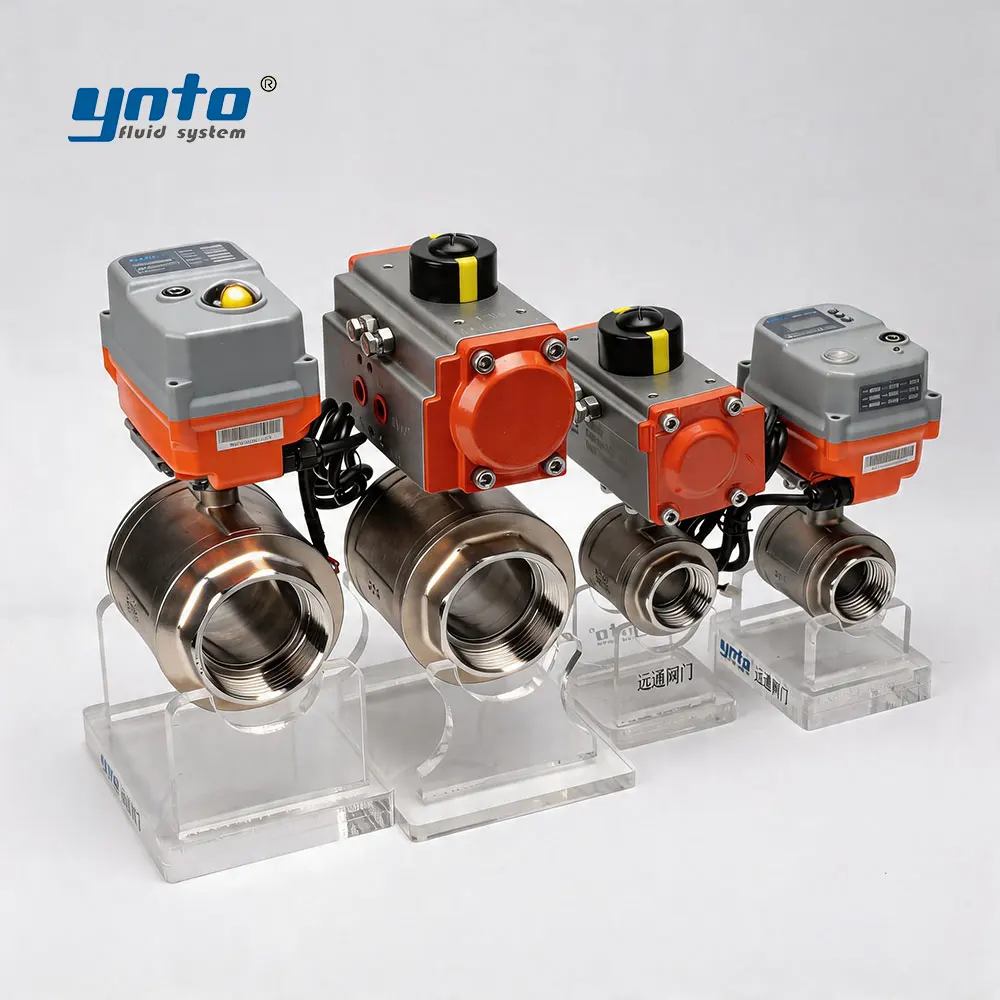
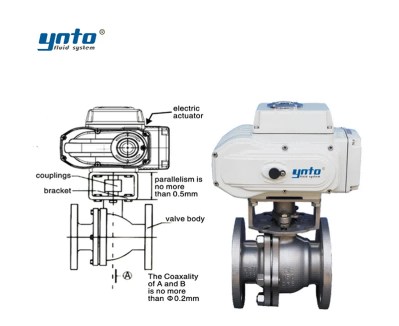
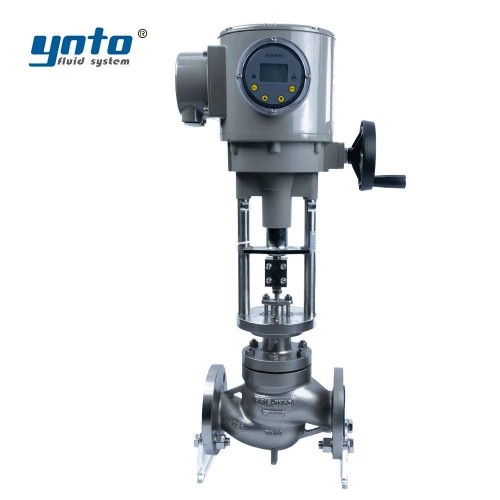
En pratique, les solutions de refroidissement des centres de données reposent à la fois sur des équipements et des vannes intelligentes. Les refroidisseurs, pompes et échangeurs de chaleur forment le noyau du matériel, mais ce sont les vannes qui régulent ces composants. Les vannes à bille électrique et les vannes papillon électriques, souvent associées à des actionneurs, assurent l’isolation et l’arrêt et la régulation du débit dans les grandes tuyaux d’eau froide. Parallèlement, des vannes de contrôle de précision (vannes de type globe avec positionneurs) modulent en continu le débit en fonction du retour thermique. Cette combinaison — des vannes d’isolement actionnées plus des vannes de contrôle modulantes — garantit que la capacité de refroidissement correspond à la charge dynamique.
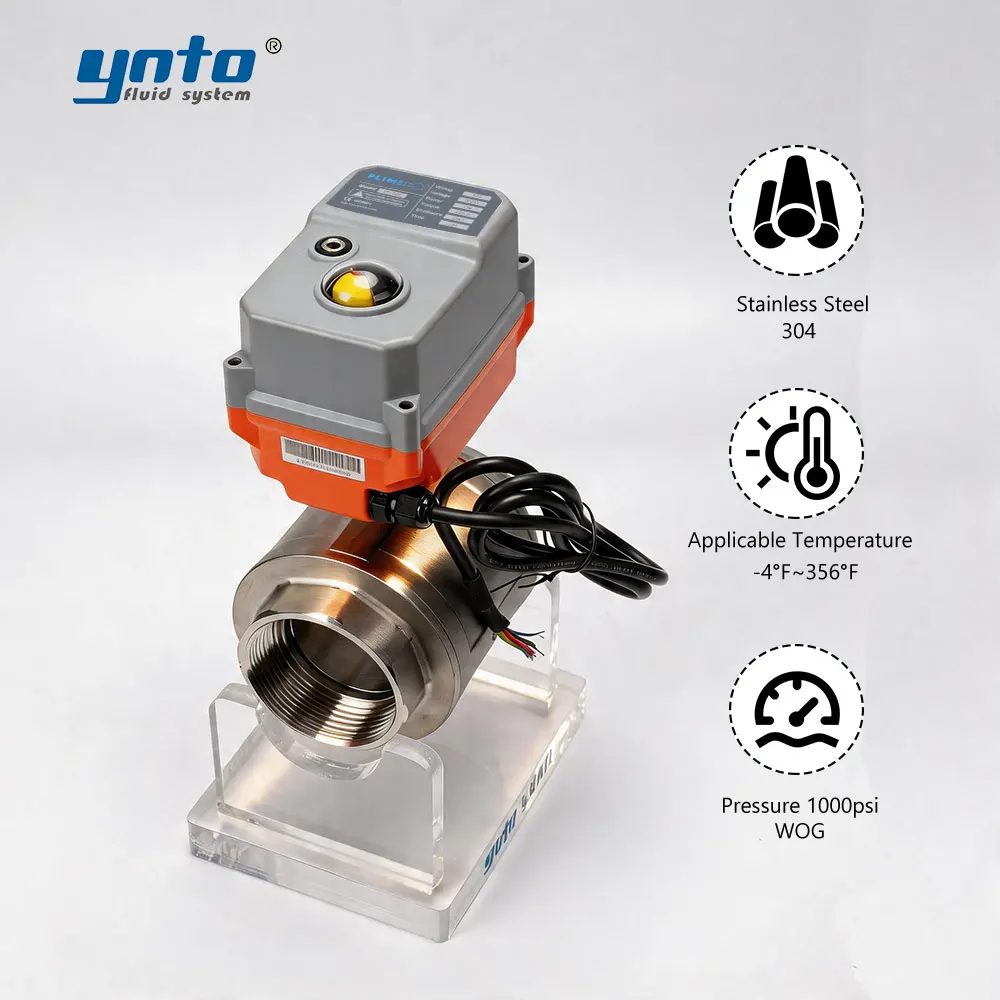
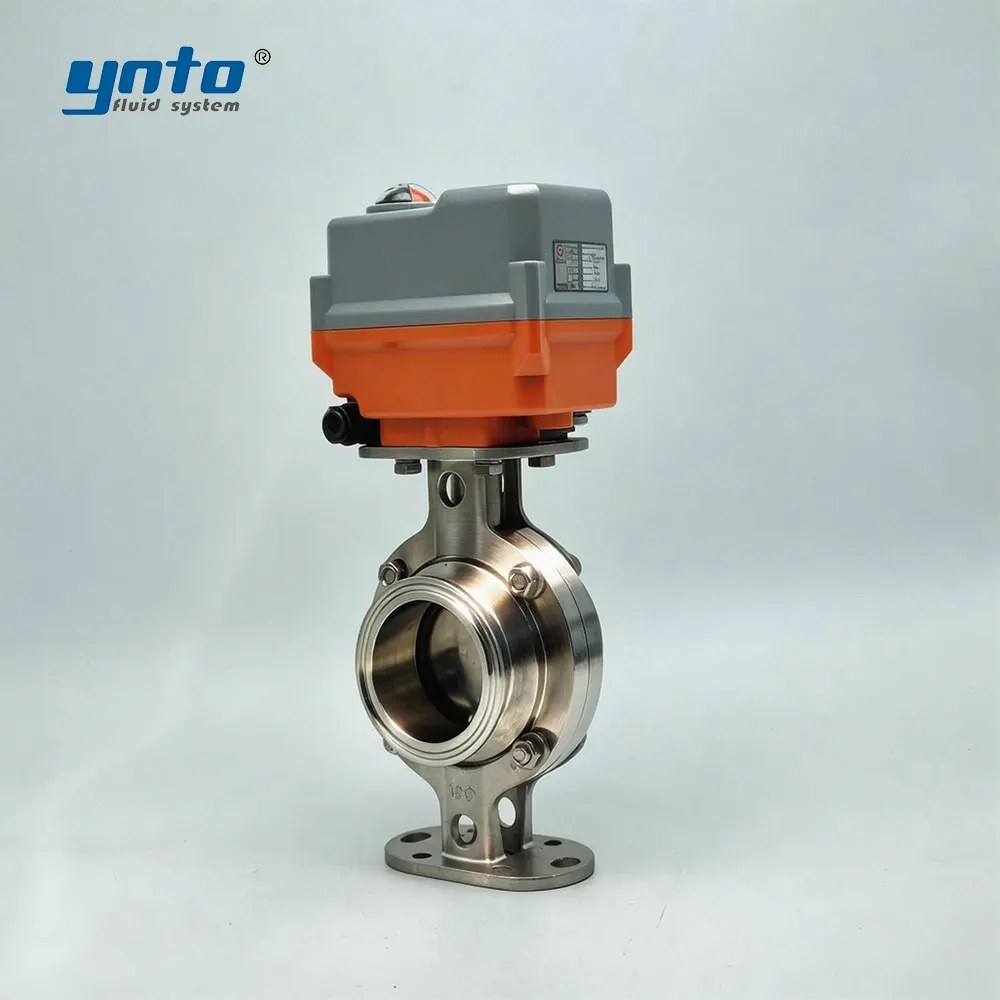
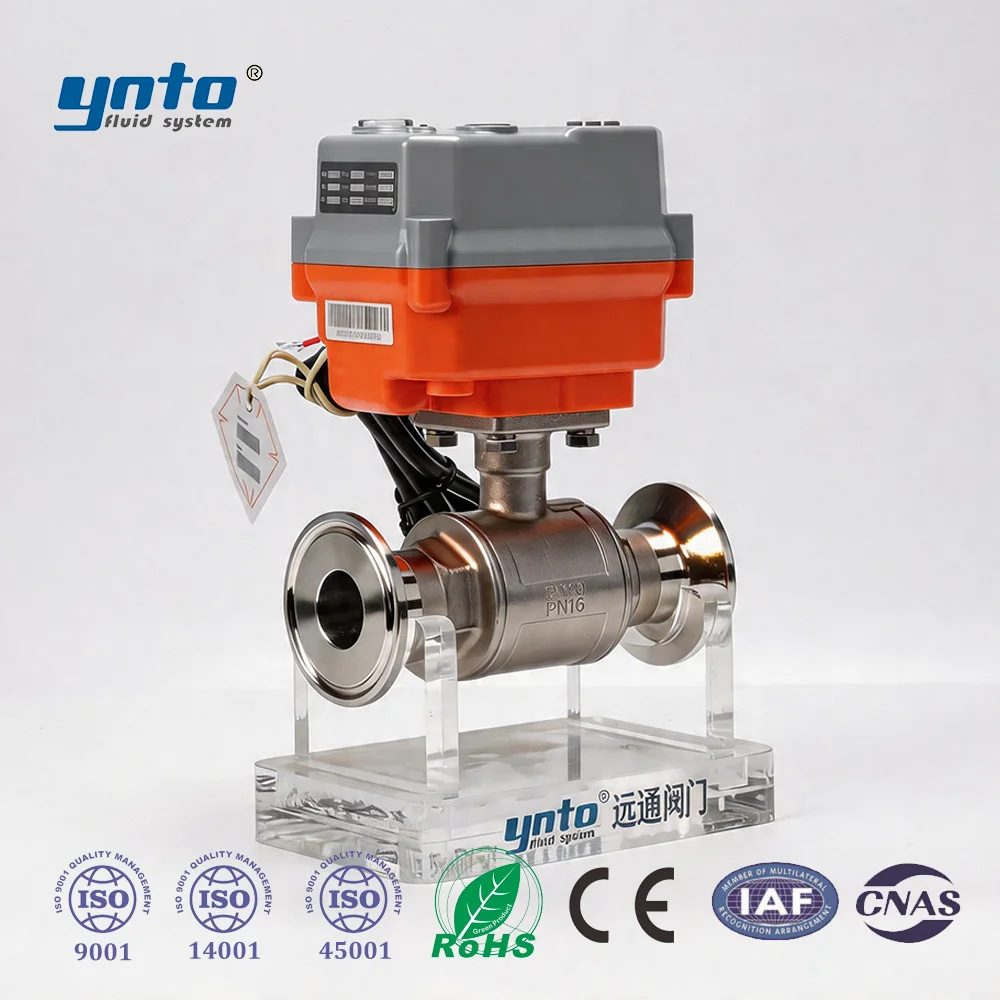
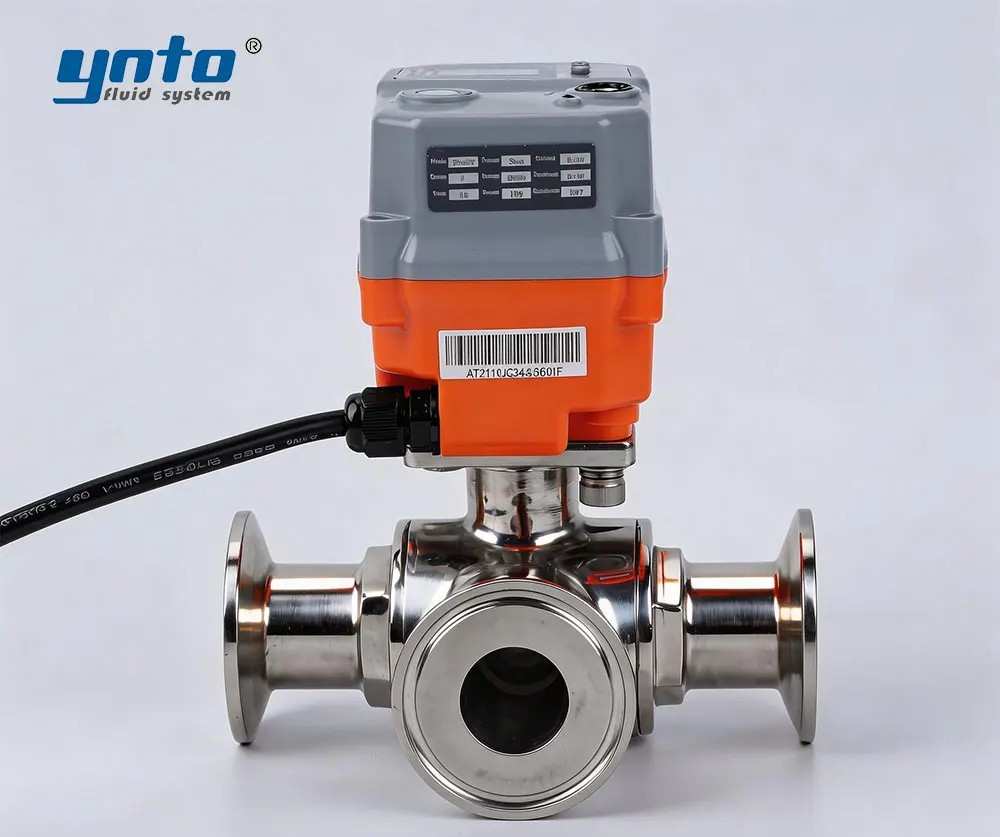
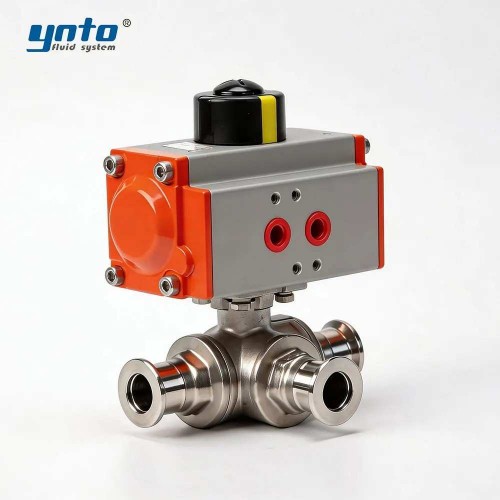
Par exemple, les vannes compactes à quart de tour comme les vannes papillon en acier inoxydable sont largement utilisées pour « réguler et isoler le débit d’eau via les refroidisseurs, échangeurs de chaleur et tours de refroidissement ». Ils offrent une réponse rapide et nécessitent un entretien minimal. De même, les vannes à bille actionnées offrent une « fermeture hermétique », ce qui les rend idéales pour gérer les flux d’urgence (comme les boucles incendie ou les contournements de maintenance). Dans les circuits de haute pureté ou spécialisés (comme les échangeurs de chaleur à porte arrière), les ingénieurs peuvent utiliser des vannes à membrane et des vannes à bille sanitaires pour éliminer les jambes mortes et garantir un service étanche.
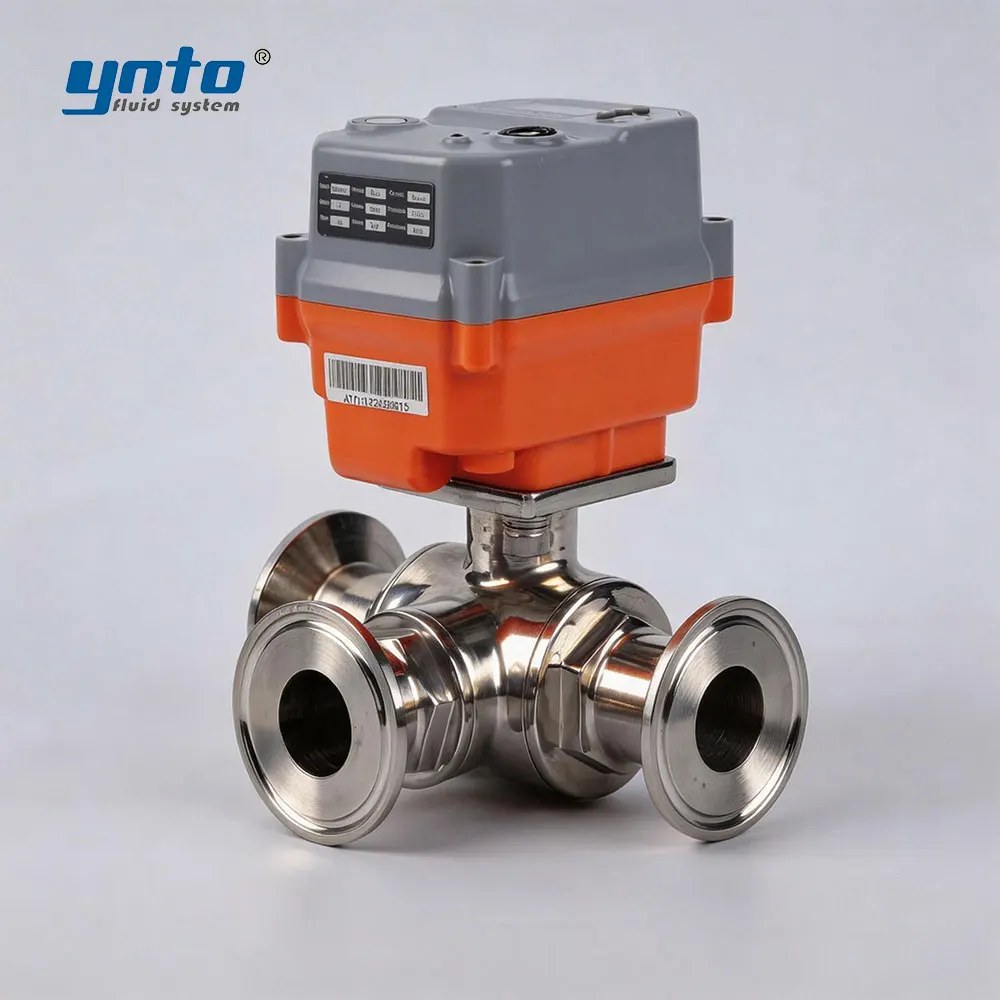
Importance des systèmes de contrôle environnemental
Les systèmes de contrôle environnemental dans un centre de données englobent tous les composants qui maintiennent les conditions de fonctionnement appropriées (température, humidité, qualité de l’air). Les éléments clés incluent les capteurs de température et d’humidité, les logiciels de gestion des bâtiments, les unités de traitement d’air (unités CRAC/CRAH) et les vannes qui les alimentent. Les vannes de précision influencent directement l’efficacité de ces systèmes à répondre aux conditions changeantes. Par exemple, le contrôle de l’humidité peut affecter l’efficacité du refroidissement : trop d’humidité entraîne de la condensation sur les équipements, tandis que trop peu peut provoquer des problèmes électrostatiques. Les vannes des serpentins de refroidissement et des amortisseurs ajustent le mélange d’air chaud et froid, et doivent donc fonctionner de manière fluide et précise.
Dans un système de gestion de bâtiment (BMS) sophistiqué, les vannes communiquent souvent via des protocoles ouverts (Modbus, BACnet, etc.). Cette intégration permet des boucles de rétroaction automatisées : la température augmente dans une salle de serveur, les capteurs la signalent, et les vannes de contrôle dans la boucle d’eau refroidie s’ouvrent automatiquement pour augmenter le débit de liquide de refroidissement. SVF Flow Controls note que les ensembles modernes de vannes sont des « packs d’actionnement sur mesure, des commandes intelligentes et une intégration BMS sans faille », permettant un déploiement rapide et prêt pour l’avenir. En résumé, les vannes servent d’élément de contrôle final dans la chaîne CVC ; leur précision détermine la capacité du système à maintenir la stabilité. Une mauvaise réponse des soupapes (latence ou dépassement) se traduit directement par des serveurs plus chauds et un refroidissement moins efficace.
La relation avec l’efficacité du refroidissement est claire : un débit bien contrôlé signifie que les refroidisseurs et pompes effectuent uniquement le travail nécessaire. Par exemple, une vanne bien dimensionnée et actionnée évite un pompage inutile. Proconex souligne que « le contrôle de débit précis est la base d’un refroidissement fiable », notant que des vannes « précises, réactives et durables » permettent un fonctionnement stable et une efficacité accrue. Inversement, des valves mal assorties provoquent un gaspillage d’énergie. Si une vanne est surdimensionnée, elle peut être en grande partie fermée en fonctionnement, ce qui nuit à la résolution des commandes. Si elle est sous-dimensionnée, elle bloque la boucle et force les pompes à travailler plus fort. La meilleure pratique consiste à aligner les tailles et caractéristiques des soupapes avec les conditions réelles de fonctionnement, comme nous le faisons lors de la conception de boucles de centre de données.
Exploration des systèmes de gestion thermique
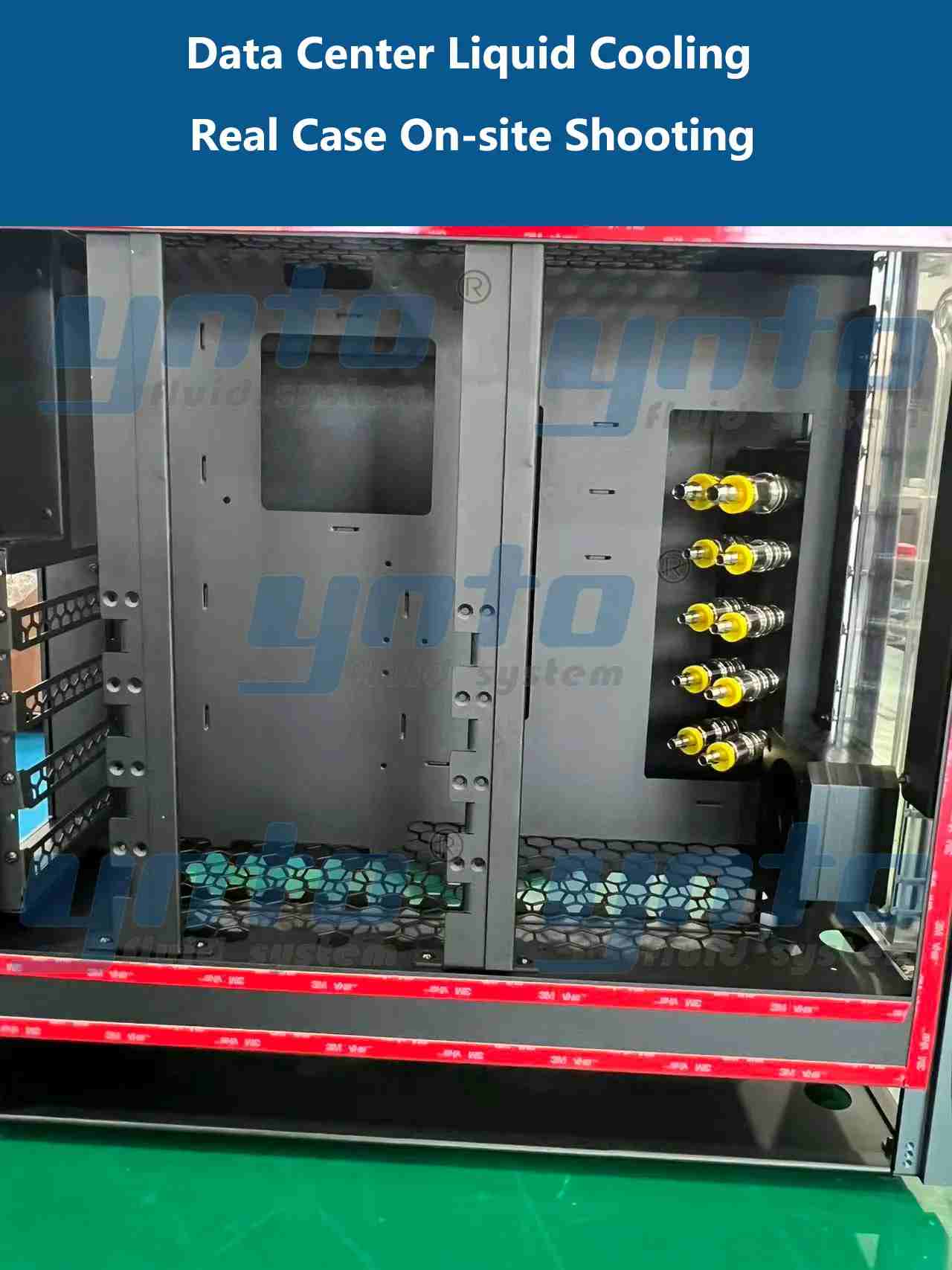
La gestion thermique dans les centres de données est multifacette. Il comprend les unités traditionnelles CRAC/CRAH avec serpentins d’eau refroidie, ainsi que des méthodes émergentes comme le refroidissement liquide direct à la puce et les échangeurs de chaleur à porte arrière (RDHx). Tous ces systèmes reposent sur des vannes de débit de précision. Par exemple, dans un système RDHx (une bobine montée à l’arrière d’un rack serveur), l’eau froide absorbe la chaleur directement à la source. Le RDHx élimine efficacement la chaleur, « réduisant la charge sur le système CVC ». De manière cruciale, ce débit d’eau est contrôlé par une vanne : généralement une vanne de contrôle proportionnelle ou une vanne globe qui ajuste le débit en temps réel. Comme le souligne le livre blanc de SVF, « des vannes à globe ou des vannes de contrôle sont utilisées » dans ces systèmes de refroidissement liquide.
Les éléments traditionnels des centrales thermiques impliquent également des vannes : des vannes d’eau refroidie régulent le débit dans le bâtiment, des vannes de dérivation protègent les refroidisseurs, et des vannes d’équilibrage garantissent que chaque boucle obtient le bon débit. Les unités de distribution avancées et les collecteurs utilisent des vannes actionnées pour diriger le liquide de refroidissement vers les crémaillères à haute densité. En optimisant ces écoulements, le système maintient des températures uniformes. L’avantage est double : une gestion thermique efficace évite les points chauds (qui peuvent entraîner un throttling ou une défaillance des serveurs), et elle maximise l’efficacité du système de refroidissement en maintenant les pompes et les refroidisseurs dans leur plage optimale. En pratique, les vannes haute performance contribuent à réduire les pertes hydrauliques : par exemple, une vanne à bille électrique à ouverture complète dans une conduite de dérivation minimise la perte de pression et préserver l’énergie de la pompe.
Amélioration du contrôle du débit CVC
Dans tout système CVC, les vannes sont les pivots de la photo. Chaque traitement d’air de salle informatique (CRAH/CRAC) utilise des serpentins d’eau refroidie et doit faire circuler l’air à une température précise. Les vannes de l’entrée d’eau refroidie de chaque unité déterminent la quantité de refroidissement effectuée. De même, les circuits d’eau et de tours de refroidissement du condenseur ont des vannes qui équilibrent le rejet de la chaleur. Essentiellement, toute boucle de fluide dans la chaîne CVC est contrôlée par une vanne. Par exemple, dans les unités CRAH, l’eau refroidie circule par des vannes qui modulent le débit de la bobine, affectant directement l’alimentation en air refroidi.
Les actionneurs transforment ces vannes en composants intelligents. Les actionneurs électroniques reçoivent des signaux de commande numériques (souvent provenant d’un contrôleur PID ou d’un BMS) et déplacent la vanne à la position exacte indiquée. Un actionneur électrique de haute qualité avec retour de position garantit que même les petits changements de consigne sont respectés avec précision. Cela est particulièrement important dans les systèmes complexes comme les allées chaudes/allées froides, où les écarts incrémentaux de température doivent être corrigés rapidement. Les solutions de centre de données d’Emerson insistent sur le fait que des combinaisons actionneur/valve bien conçues offrent une précision là où elle compte.
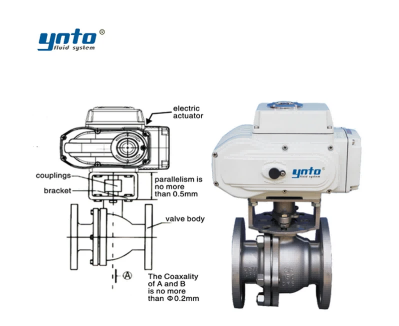
Les avantages du contrôle de précision sont significatifs. En modulant finement le débit d’eau refroidie, le système peut maintenir des tolérances de température strictes (souvent ±1°F ou plus) malgré des charges informatiques variables. Cela réduit le besoin de faire fonctionner les refroidisseurs à pleine capacité et évite le surrefroidissement. Un contrôle stable empêche également les « pics » de pression qui peuvent solliciter les tuyaux et les équipements. De plus, des soupapes précises permettent la mise en œuvre de schémas avancés comme le débit primaire variable (VPF), où les pompes s’agencent en fonction de la demande des soupapes. Cela peut permettre d’importantes économies d’énergie à la pompe. SVF souligne que les valves conçues pour des environnements « à haut cycle et haute pureté » offrent une longue durée de vie et un entretien faible – ce qui signifie qu’une fois les réglages optimaux atteints, le risque de dérive ou de défaillance est minimisé.
Applications et études de cas dans les vannes industrielles
Les principes ci-dessus ne sont pas seulement théoriques. De nombreuses études de cas et rapports industriels documentent les améliorations du contrôle de flux de précision dans les centres de données. Par exemple, dans une installation de Phoenix minée par un fort taux d’oxygène dissous dans son eau froide, les filtres traditionnels se bouchaient constamment, provoquant des chutes de pression et un entretien intense. En installant un dispositif spécial de contrôle de débit (séparateur Flamcovent Clean Smart), l’usine « élimine les problèmes d’obstruction, réduit les coûts d’entretien et améliore l’efficacité énergétique ». La leçon : garder les chemins d’écoulement dégagés (et utiliser des commandes hydrauliques intelligentes) conduit à un transfert de chaleur constant et à une plus grande fiabilité.
Dans un autre scénario, un opérateur hyperscale a mis en place des vannes automatisées pour ses collecteurs à crémaillère. Chaque crémaillère possédait une vanne de commande électrique avec un positionneur relié au BMS. Le résultat était un contrôle strict de la température au niveau du rack avec un dépassement minimal. Des vannes d’isolement redondantes (vannes à bille) étaient installées sur chaque boucle critique pour permettre un entretien sans interruption. Selon des experts du secteur, de tels modèles offrent des températures stables sous des charges variables et réduisent le risque de limitation thermique. En fait, Proconex rapporte que dans les centres de données d’IA à haute densité, les vannes de contrôle ajustent le débit au niveau du rack pour faire face à des charges thermiques surélevées, tandis que des vannes haute performance assurent une pression constante.
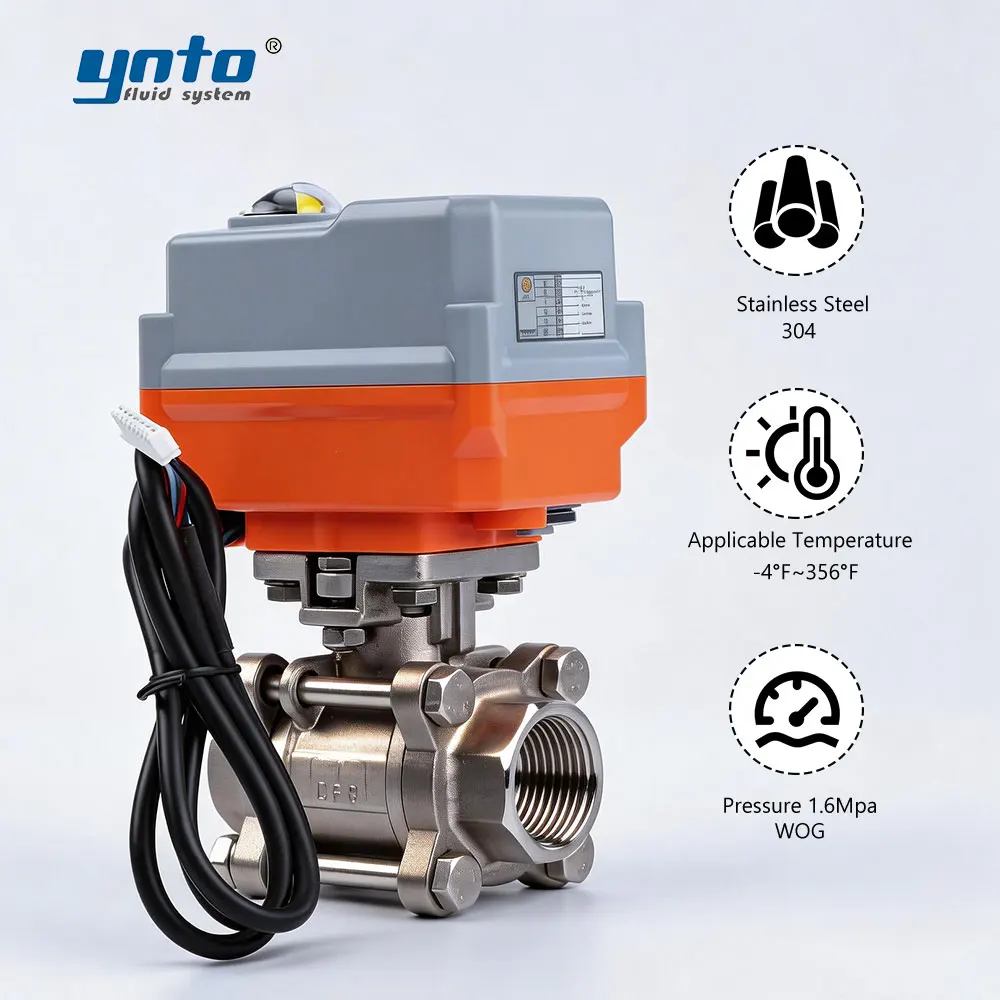
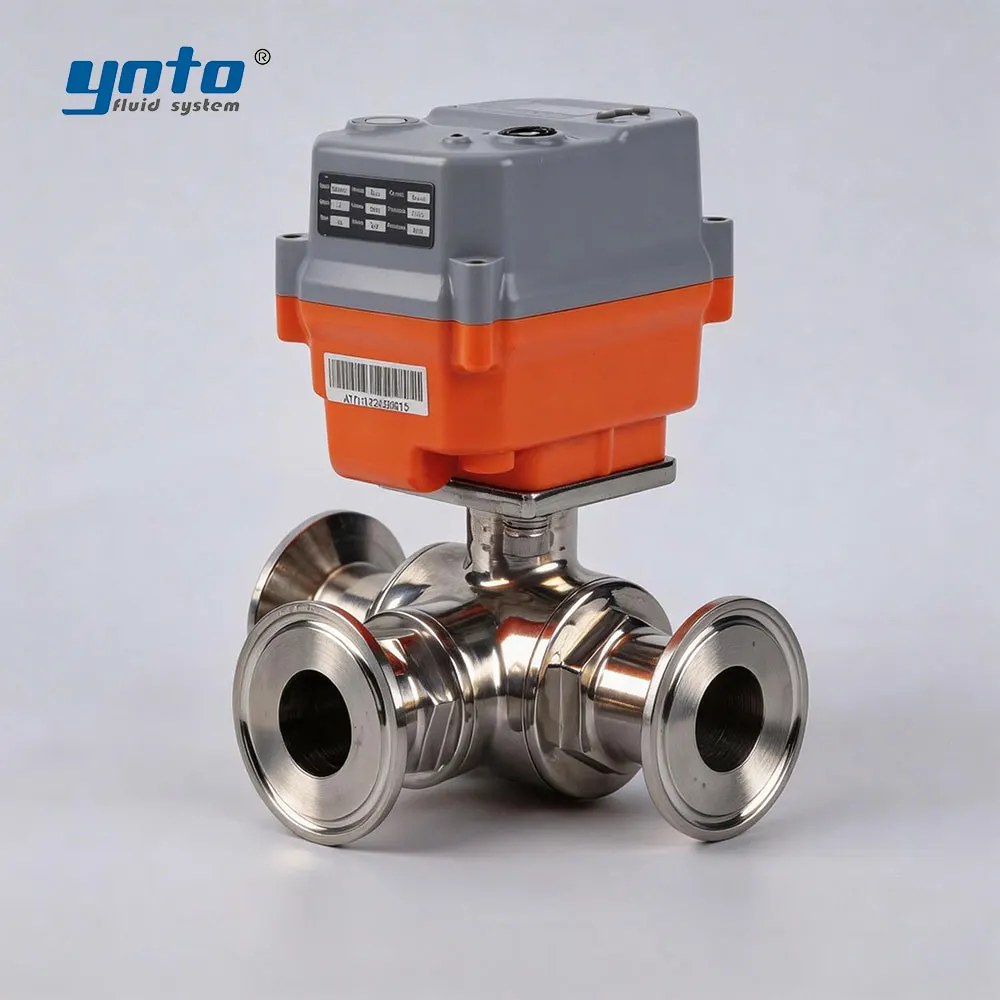
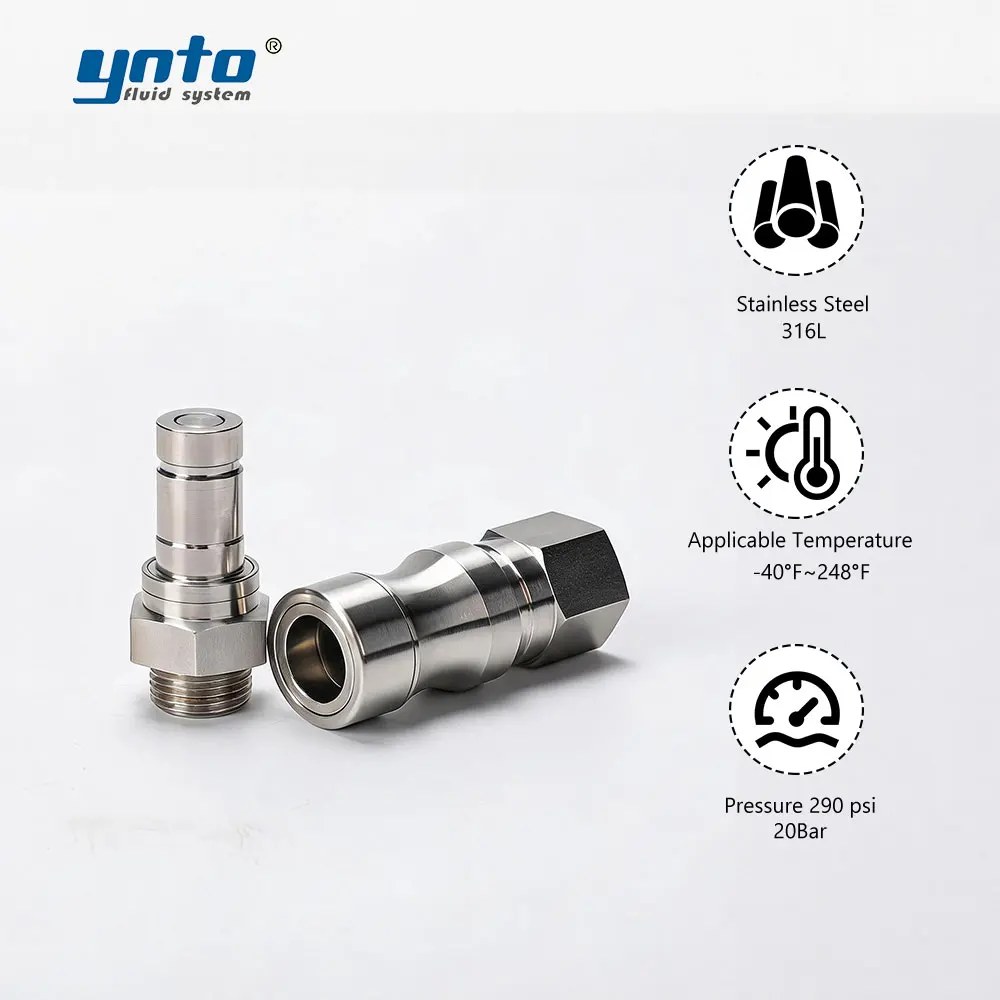
Les principaux fabricants de vannes innovent également pour répondre aux besoins des centres de données. Les produits sont désormais dotés de fonctionnalités telles que des poignées de verrouillage, des dispositifs antistatique et des conceptions ignifuges. Par exemple, des vannes à billes ignifuges (certifiées API 607) sont utilisées dans les conduites de carburant et de refroidissement d’urgence afin d’assurer une coupure immédiate lors d’incendies. De nombreux centres de données standardisent désormais les corps de soupapes et sièges en acier inoxydable (316L) ; comme le note un rapport, le 316L « offre une résistance supérieure aux chlorures et à l’exposition chimique comparée à l’acier au carbone ». Cela prolonge considérablement la durée de vie, surtout dans les boucles contenant du glycol ou de l’eau déionisée. La conformité aux normes (ANSI/ASME, ISO, API) est également à la base de la fiabilité – les vannes sont choisies pour répondre à des spécifications et des tests tels que l’ASME B16.34 pour la pression, l’API 608 pour les performances, et l’ISO 15848-1 pour l’étanchéité.

Conclusion
Les vannes de contrôle de flux de précision sont, littéralement, le cœur de la gestion thermique d’un centre de données. Lorsqu’elles sont correctement sélectionnées et appliquées, elles offrent un refroidissement constant et un temps d’utilisation élevé. Les preuves sont claires : « un système de refroidissement à eau bien conçu pour un centre de données dépend d’une performance de valve précise, réactive et durable ». Investir dans des vannes et actionneurs de haute qualité relève d’un investissement en stabilité opérationnelle et en efficacité énergétique.
En regardant vers l’avenir, nous attendons des systèmes de vannes encore plus intelligents. Les développements futurs incluent des réseaux de capteurs embarqués et des algorithmes de contrôle pilotés par l’IA qui prédisent et compensent les variations de charge en temps réel. Les contrôleurs de vannes numériques intégrés (avec diagnostic intégré) signalent l’usure avant qu’elle ne cause des problèmes, faisant passer la maintenance de réactive à proactive. Pour les gestionnaires de centres de données, l’appel à l’action est simple : collaborer avec des experts en valve et passer à des solutions de flux de précision. Mettre en place des vannes à bille électriques, des vannes papillon et des actionneurs adaptés à vos systèmes de refroidissement seront rentables. Vérifiez votre système pour détecter des vannes sous-dimensionnées ou peu performantes, et envisagez de remplacer par des vannes spécialement conçues (comme les modèles à haut cycle et résistants à la corrosion) selon les besoins. Ce faisant, vous pouvez vous assurer que votre refroidissement reste robuste, votre consommation d’énergie optimale et votre centre de données fonctionne sans interruptions inattendues.
- 2026-09-28 10:28:43
- 2026-09-21 15:23:44
- 2026-09-18 09:42:46