

Why Every PCB Manufacturer Needs Acid and Alkali Resistant Valves in Their Operations
- 2026-08-03 10:22:57
- admin
- NO COMMENTS
Introduction
Significance of PCB Manufacturing
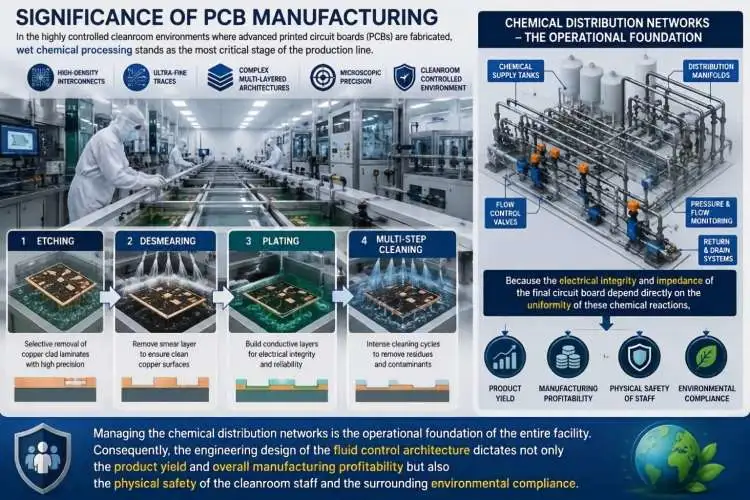
In the highly controlled cleanroom environments where advanced printed circuit boards (PCBs) are fabricated, wet chemical processing stands as the most critical stage of the production line. Modern electronics require extremely high-density interconnects, ultra-fine conductive traces, and complex multi-layered architectures. Achieving these microscopic dimensions demands absolute precision during the selective removal of copper clad laminates, a process executed through sequential chemical etching, surface desmearing, plating, and intense multi-step cleaning cycles. Because the electrical integrity and impedance of the final circuit board depend directly on the uniformity of these chemical reactions, managing the chemical distribution networks is the operational foundation of the entire facility. Consequently, the engineering design of the fluid control architecture dictates not only the product yield and overall manufacturing profitability but also the physical safety of the cleanroom staff and the surrounding environmental compliance.
Overview of Valve Requirements
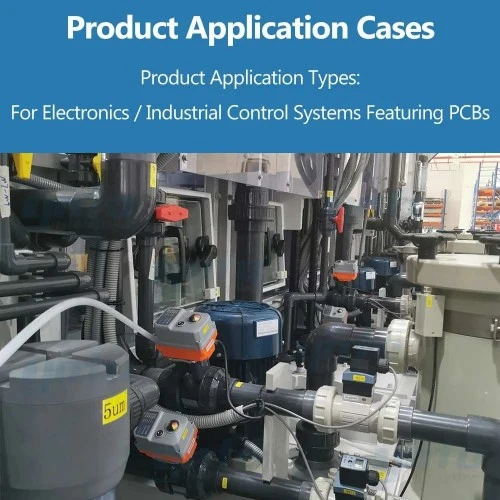
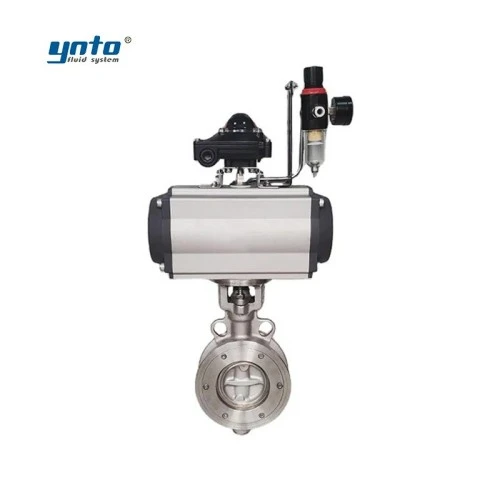
Field inspections of chemical delivery systems inside PCB facilities frequently reveal persistent process anomalies. An operator walking down a micro-etching or plating line will typically notice subtle signs of fluid dynamic instability: a sudden fluctuation in differential pressure (△P) gauges, a mechanical hesitance or sticking when an automated valve attempts to stroke, or an audible chatter vibrating through the plastic manifold piping. During the installation and commissioning phase, a telltale sign of internal wear is a significant increase in the operational torque required to cycle the actuators. Under low-flow conditions where fluid velocities drop below nominal values, unstable mechanical vibrations often develop within the throttling trim. Over extended operating cycles, these continuous physical stresses accelerate the aging of internal elastomeric seals, manifesting as minor, weeping leaks of hazardous acids or alkaline bases. These recurring issues highlight the severe demands placed on the fluid control plumbing systems integrated within high-throughput circuit board manufacturing equipment. Engineers must specify highly robust, specialized harsh environment valves that can withstand constant exposure to corrosive process chemistry while maintaining bubble-tight isolation and high-frequency actuation precision.
Chemical Resistance in PCB Manufacturing
Understanding Harsh Environment Valves
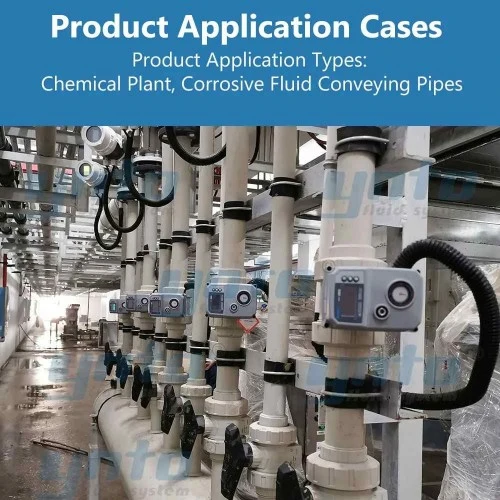
Traditional metal valves fabricated from standard carbon steel or basic stainless steel alloys cannot survive the highly aggressive wet chemistry loops that define circuit board fabrication. Wet etching and stripping stages rely on highly reactive chemical etchants, including concentrated sulfuric acid (H₂SO₄), hydrochloric acid (HCl), nitric acid (HNO₃), and sodium hydroxide (NaOH). These mineral acids and strong bases have high chemical permeability and a strong tendency to crystallize upon contacting ambient air, forming hard, abrasive mineral deposits that rapidly lock rotating stems and destroy conventional elastomer packing glands.
When non-specialized valves are introduced to these systems, a highly destructive causal chain is initiated: corrosive media attack → chemical incompatibility of valve materials → localized internal pitting and stress corrosion cracking → catastrophic failure of the pressure boundary. The aggressive chemicals strip away the passivated chromium-oxide layer on metal surfaces, leading to rapid localized galvanic corrosion. This chemical attack degrades the internal flow coefficients (Cv), causes unstable fluid delivery, and introduces trace metal ions into the process baths, ultimately ruining the wafer-level substrate yield. To prevent this, PCB operators rely on specialized chemical resistant valves that utilize advanced polymers and thick fluoropolymer linings to isolate all structural elements from the process stream.
Key Characteristics of Acid and Alkali Resistant Valves
To achieve continuous corrosion resistance, modern industrial valve applications in the electronics sector utilize heavy-walled thermoplastic bodies or robust steel bodies lined with thick fluoropolymer coatings. Thermoplastics such as unplasticized polyvinyl chloride (UPVC), polypropylene homopolymer (PPH), and polyvinylidene fluoride (PVDF) do not undergo electrochemical oxidation, making them immune to rust and pitting. The interior walls of these molded polymer valves are highly polished, exhibiting an ultra-smooth surface finish with a roughness (Ra) of less than 0.4μm. This smooth fluid boundary prevents chemical crystallization, eliminates dead-leg areas where stagnant acids can accumulate, and minimizes friction to reduce required actuation torque.
The continuous integrity of the internal valve seals depends on selecting high-performance elastomeric packing and seats. While pure polytetrafluoroethylene (PTFE) provides nearly universal chemical resistance and a low coefficient of friction, elastomeric backing pads made of ethylene propylene diene monomer (EPDM) or fluoroelastomers (FKM) provide the necessary mechanical spring force to maintain bubble-tight shutoff over millions of cycles.
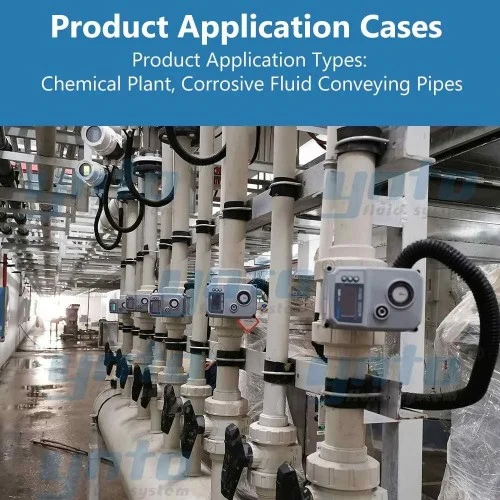
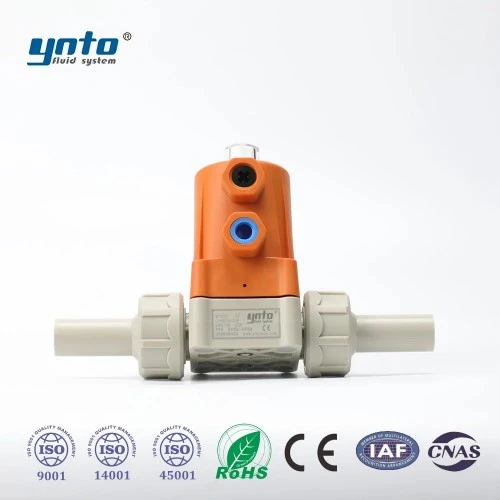
Specifying thermoplastic diaphragm valves represents an ideal technical solution for corrosive chemical delivery. By utilizing a highly flexible elastomer or PTFE-lined membrane, these valves completely isolate the internal process fluid from the metal stem, guide, and actuator assembly. This zero-dead-leg design prevents chemical entrapment, eliminates the need for traditional sliding stem packing, and reduces the risk of trace particulate contamination in high-purity chemical delivery panels.
|
Material Formulation |
Maximum Temperature Limit (∘C) |
Major Acid & Alkali Compatibility |
Typical PCB Line Application |
|
UPVC (PVC-U) |
55 |
Dilute mineral acids, alkalis, salts, and deionized water |
Wastewater treatment, neutralisation, and DI water loops |
|
PPH (Polypropylene) |
90 |
Strong non-oxidizing acids, organic solvents, and alkalis |
Inner-layer browning, micro-etching, and plating lines |
|
PVDF (Fluoroplastic) |
140 |
Highly concentrated oxidizing acids (HF, Nitric, Sulfuric) |
Acid etchant blending, chemical delivery, and cleanroom UPW |
Impact on Process Fluid Control
Ensuring Consistency in Chemical Handling
During wet etching operations, maintaining highly consistent process fluid control is critical for achieving consistent copper line geometries across the entire substrate surface. The etchant solution must be sprayed onto the copper laminate at a highly stable pressure and flow rate. Any pressure variation alters the spray pattern and chemical concentration gradient, resulting in uneven etching, line-edge roughness, and circuit impedance variations.
This operational hazard is driven by a second prominent causal chain: frequent pipeline pressure fluctuations → high-frequency micro-vibration of the internal valve core → progressive physical wear of the throttling trim → actuator response time latency. Hydraulic transients generated by positive-displacement chemical pumps send pressure waves through the distribution manifold. If the valve guide possesses loose mechanical tolerances, the throttling element—whether a plug, ball, or disk—vibrates rapidly against the seat. This continuous contact causes physical seat scoring, localized erosion, and a slow, drifting response when the system attempts to calibrate the flow.
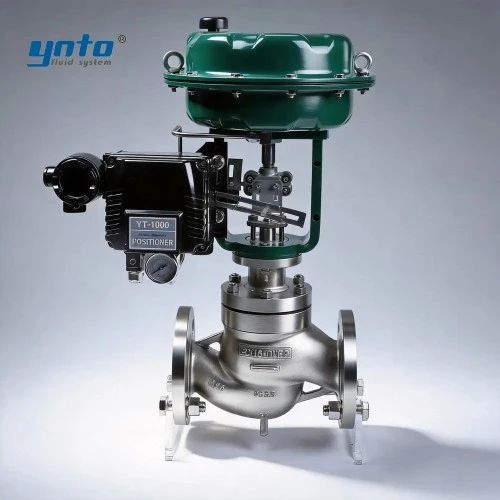
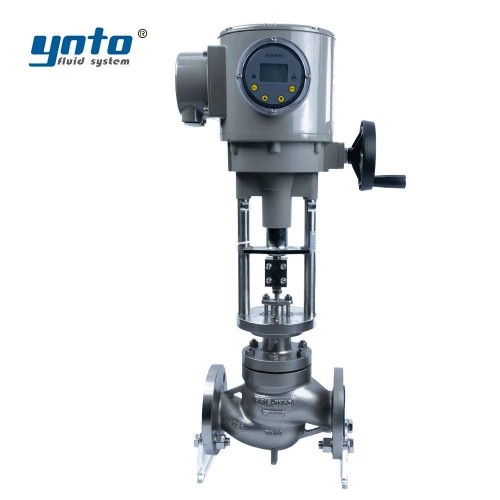
To stabilize these dynamic loops, process engineers install high-precision pneumatic control valves equipped with smart electro-pneumatic positioners. These automated assemblies respond instantly to control signals, using heavy-duty actuator springs and precise sleeve guiding to eliminate physical deadband and prevent control loop "hunting" under turbulent, high-velocity chemical flows.
Economic Benefits of Effective Valve Systems
The economic consequences of choosing low-grade or chemically incompatible valves are felt immediately in a plant's operating margins. Unstable chemical delivery leads to high circuit board scrap rates, while sudden valve failures cause unscheduled production downtime. When a chemical line must be isolated for emergency maintenance, technicians must wear personal protective equipment to handle the residual acids, and the line must be flushed with deionized water, generating significant volumes of hazardous liquid waste.
Integrating highly reliable automated control valves into chemical handling processes prevents these costly interruptions. While engineered plastic and lined valves require a higher upfront capital investment than generic plumbing components, they drastically reduce the total cost of ownership. They maintain precise calibration over millions of operating cycles, preventing chemical waste, lowering maintenance labor costs, and ensuring a safe working environment.
Selection Criteria for Industrial Valve Applications
Compatibility with Circuit Board Manufacturing Equipment
Modern wet-bench equipment and conveyor systems have highly integrated, compact layouts to optimize cleanroom floor space. Process piping must navigate tight spatial envelopes, which can put structural stress on the plastic manifolds if heavy metallic valves are installed. Heavy valves can cause polymer lines to sag, bend, or crack over time under thermal expansion loads.
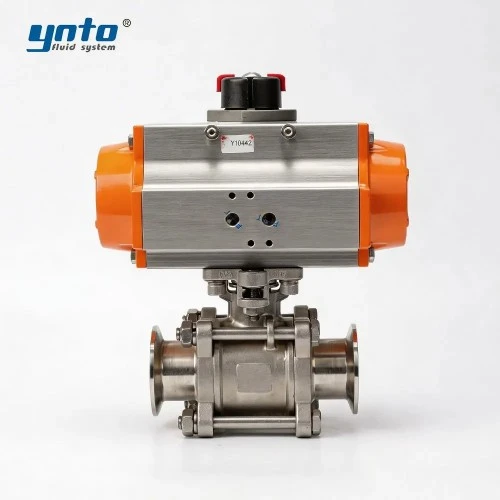
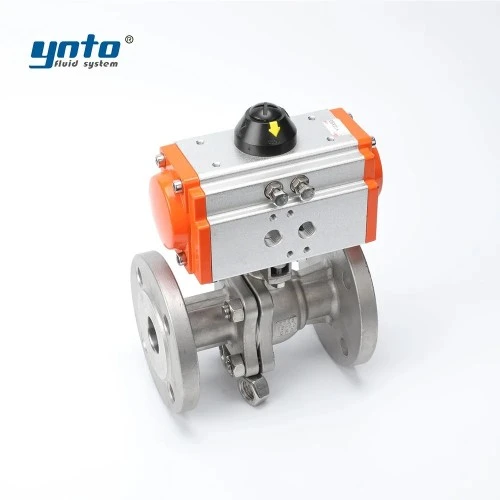
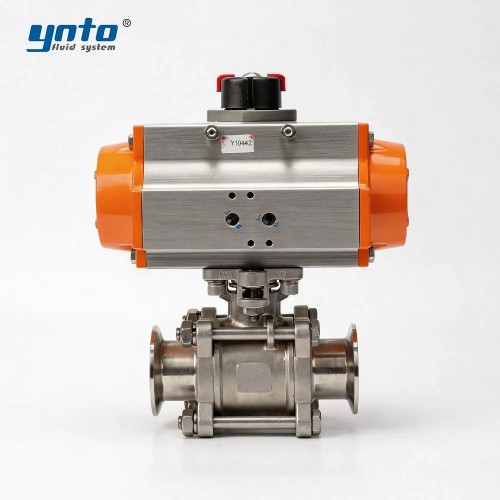
To solve this issue, utilizing a stainless steel pneumatic thin-wall ball valve represents an ideal compromise between high mechanical strength and physical weight. This design features an integrated valve body without any pipe joints, which eliminates pipeline stress concentrations and provides a body profile that is significantly shorter than a standard flanged ball valve. This lightweight construction allows multiple valves to be clustered tightly together on a single chemical distribution manifold.
Performance Factors to Consider
Selecting the ideal valve requires a detailed evaluation of several operating parameters. The third critical causal chain in these systems is driven by thermal loads: intense thermal fluid cycles within the process loop → rapid fatigue of sealing elastomer elements → unexpected bypass micro-leakage. In processes such as chemical stripping or browning, the valve must alternate between handling hot chemical baths (up to 80°C or 90°C) and cold deionized water rinses. This rapid temperature shifting causes the elastomeric seats and seals to expand and contract at different rates than the plastic or metal valve body. Over time, this thermal fatigue degrades the seal's elasticity, causing minor chemical bypass leaks across the seat when the valve is fully closed.
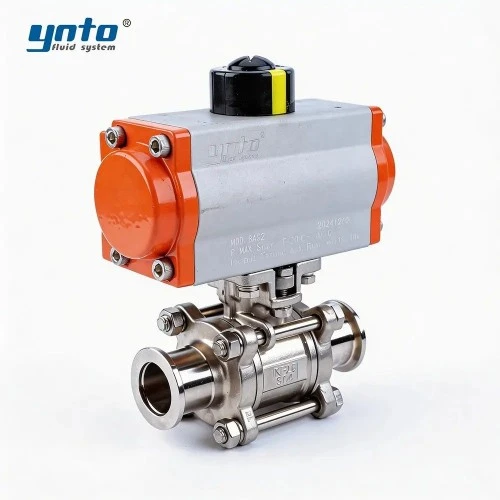
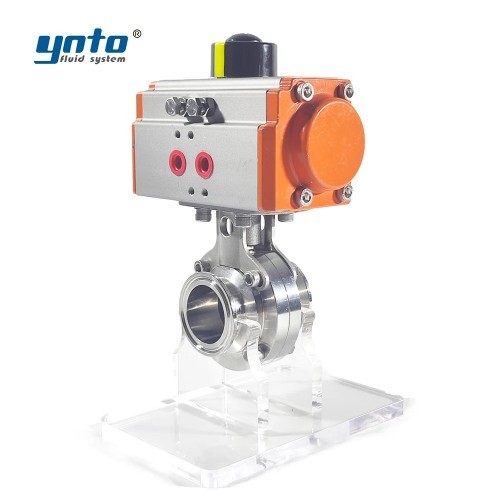
To prevent this failure, engineers must verify that the selected valve features a pressure-compensated or elastic sealing structure that maintains constant, uniform sealing force despite localized thermal changes. The pneumatic sanitary butterfly valve is a primary example of a high-performance solution that handles both high cycle counts and rapid thermal shifts while maintaining zero-leakage performance under strict industrial test pressures.
|
Operational Parameter |
High-Performance Performance Target |
Impact on Valve Design Selection |
Reference Compliance Standards |
|
Max Working Pressure |
PN10 to PN16 (1.0 to 1.6 MPa) |
Dictates body wall thickness and actuator torque sizing |
ASME B16.34 / DIN 2632 |
|
Internal Surface Finish |
Ra≤0.4μm (electropolished) |
Prevents micro-particle nucleation and crystallization |
ASME BPE / 3A Hygienic |
|
Leakage Class |
Class V or Class VI (Zero visual leakage) |
Requires high-resiliency PTFE/FKM seats or bellows |
ISO 5208 / API 598 |
Innovations in Valve Technology
Overview of Automated Valve Solutions
The industry trend toward fully automated, high-throughput smart factories has accelerated the integration of automated valve solutions. Modern wet benches utilize programmable logic controllers (PLCs) and distributed control systems (DCS) to manage every processing cycle. These electronic control networks rely on rapid, highly repeatable actuation. For pneumatic actuators, utilizing high-precision solenoid valves allows the control system to pilot air pressure with millisecond accuracy, ensuring instant valve opening and closing.
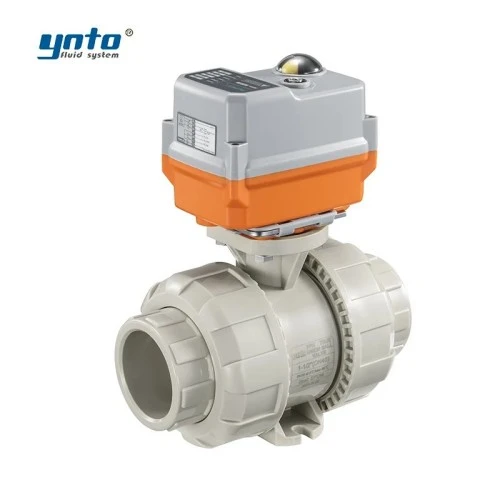
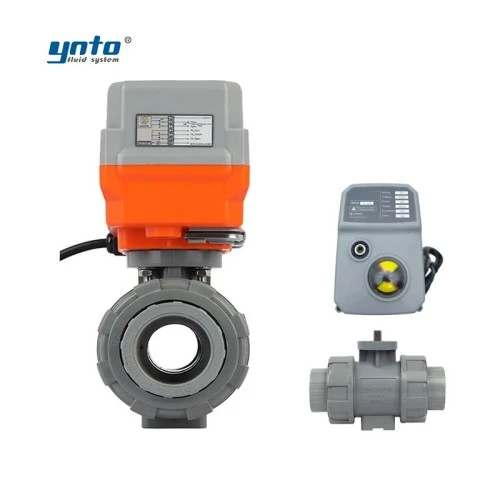
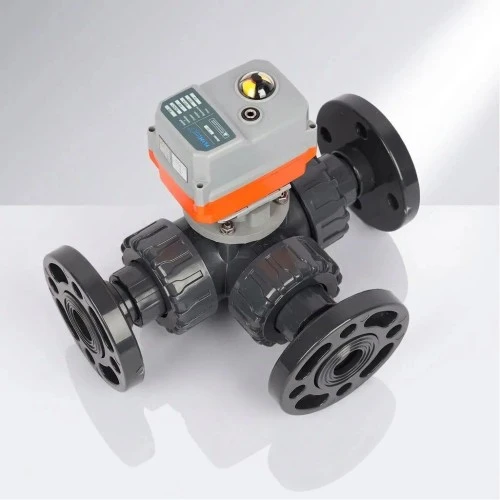
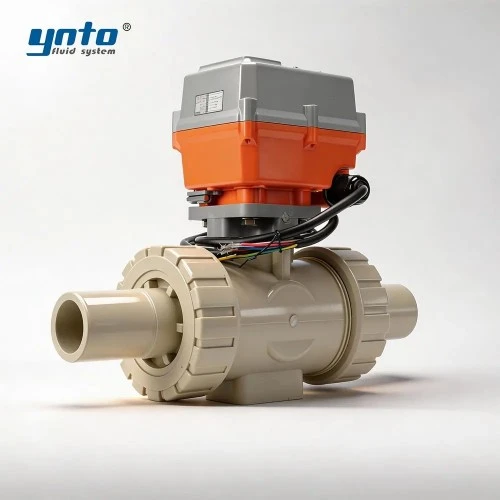
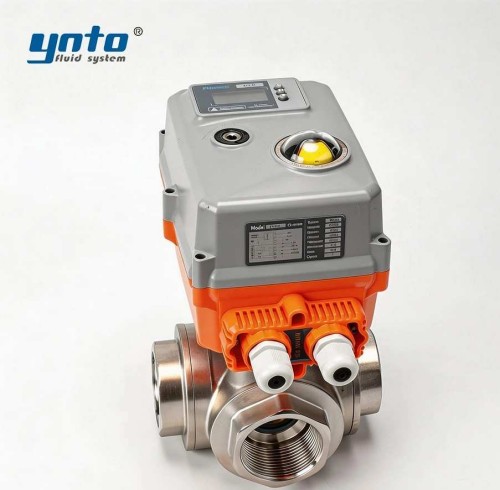
Meanwhile, for precise throttling applications, advanced corrosion resistant electric ball valves equipped with brushless motor technology provide exceptionally precise flow control. These smart actuators feature wide-voltage compatibility, IP67 waterproof enclosures, and power-off reset functions to ensure the system defaults to a safe, closed position if power is lost, preventing chemical spills.
Future Directions in Semiconductor Fabrication Equipment
As the line widths of printed circuit boards approach the sub-micron levels used in advanced packaging, the fluid control requirements increasingly overlap with those of semiconductor fabrication equipment. In these high-tech environments, chemical purity is just as critical as chemical resistance. Even minor leaching of trace metals or organic carbon from a polymer valve body can contaminate the process chemistry, resulting in microscopic defects on the silicon wafer.
Consequently, modern cleanrooms are standardizing on ultra-high-purity polymer components that comply with the SEMI F57 standard. This rigorous specification ensures that PVDF and PFA valves undergo extensive extraction testing in high-temperature ultrapure water to confirm they do not leach ionic contaminants into the process stream. The future of fluid control in these advanced facilities lies in the direct integration of non-invasive pressure and temperature sensors into the polymer valve body, enabling real-time diagnostic tracking and predictive maintenance before any seal fatigue can cause a line shutdown.
Conclusion
Recap of the Importance of Specialized Valves
In high-precision PCB manufacturing, selecting process control components is not just a standard purchasing task, but a critical engineering decision. Utilizing standard valves in chemical lines leads to a predictable sequence of operational issues, including differential pressure swings, physical binding, high operating torques, and hazardous chemical leaks. By understanding the key chemical and thermal degradation pathways, process engineers can specify specialized acid and alkali resistant valves to prevent these common field failures. Utilizing thermoplastic bodies like PPH or PVDF, combined with resilient PTFE/FKM seals, breaks the destructive chemical and mechanical causal chains that cause standard valves to fail prematurely.
Encouragement to Invest in Quality
Relying on low-cost, non-compliant valves to handle aggressive chemicals is a costly operational compromise. It exposes the plant to unexpected downtime, premature equipment failure, and safety and environmental risks. Investing in high-performance, engineered valve solutions that comply with international standards—such as ASME, ISO, API, and DIN—is a strategic choice that protects your process chemistry. By choosing high-quality automated fluid control components, PCB manufacturers can ensure maximum plant safety, stable process control, and high product yields.
- 2026-09-18 09:42:46
- 2026-09-14 15:59:43