

Le rôle d’une vanne de décharge de boues de traitement de l’eau dans la durabilité environnementale
- 2026-07-06 15:35:24
- admin
- NO COMMENTS
Une station d’épuration attire rarement l’attention lorsque tout fonctionne normalement. Les clarifiateurs tournent régulièrement, les pompes maintiennent le débit, et les systèmes de gestion des boues déplacent silencieusement des tonnes de solides chaque jour. Cependant, lors des inspections de site, les ingénieurs constatent souvent que l’un des aspects les plus problématiques n’est pas le processus de traitement biologique lui-même, mais la conduite de rejet de boues au fond des réservoirs et des bassins de décantation.
Dans de nombreuses opérations sur le terrain, un scénario familier commence par une vanne de décharge partiellement bouchée. Les opérateurs remarquent l’accumulation de boues dans un épaississant, tandis que le débit diminue de façon inattendue. Quelques jours plus tard, le couple de l’actionneur augmente, le cycle des soupapes devient lent, et de petites fuites commencent à apparaître autour des surfaces d’étanchéité. Ce qui semblait au départ être un problème mineur d’entretien peut rapidement affecter l’ensemble du processus de traitement.
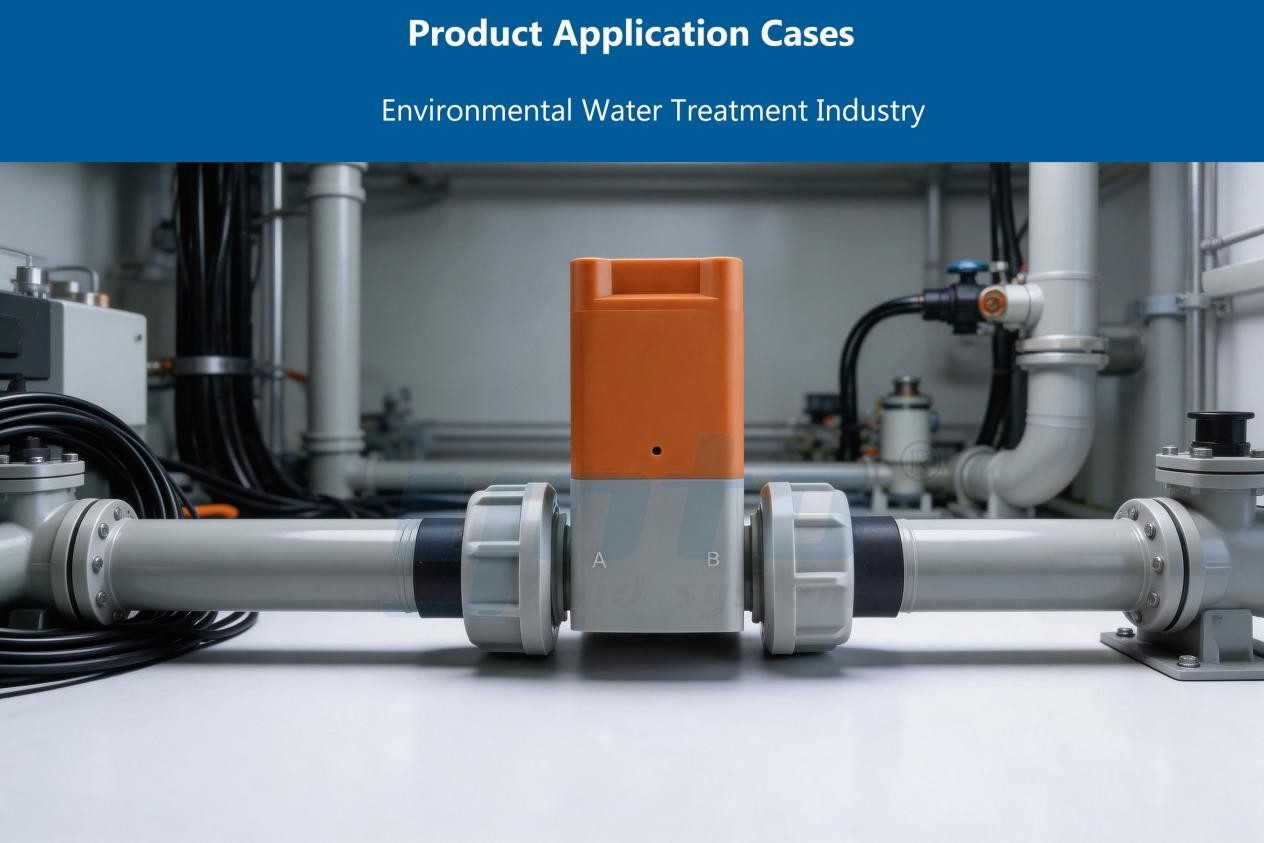
Pour les installations qui s’efforcent d’améliorer la durabilité environnementale et l’efficacité du traitement de l’eau, choisir la bonne vanne de rejet des boues est bien plus important que beaucoup ne le pensent.
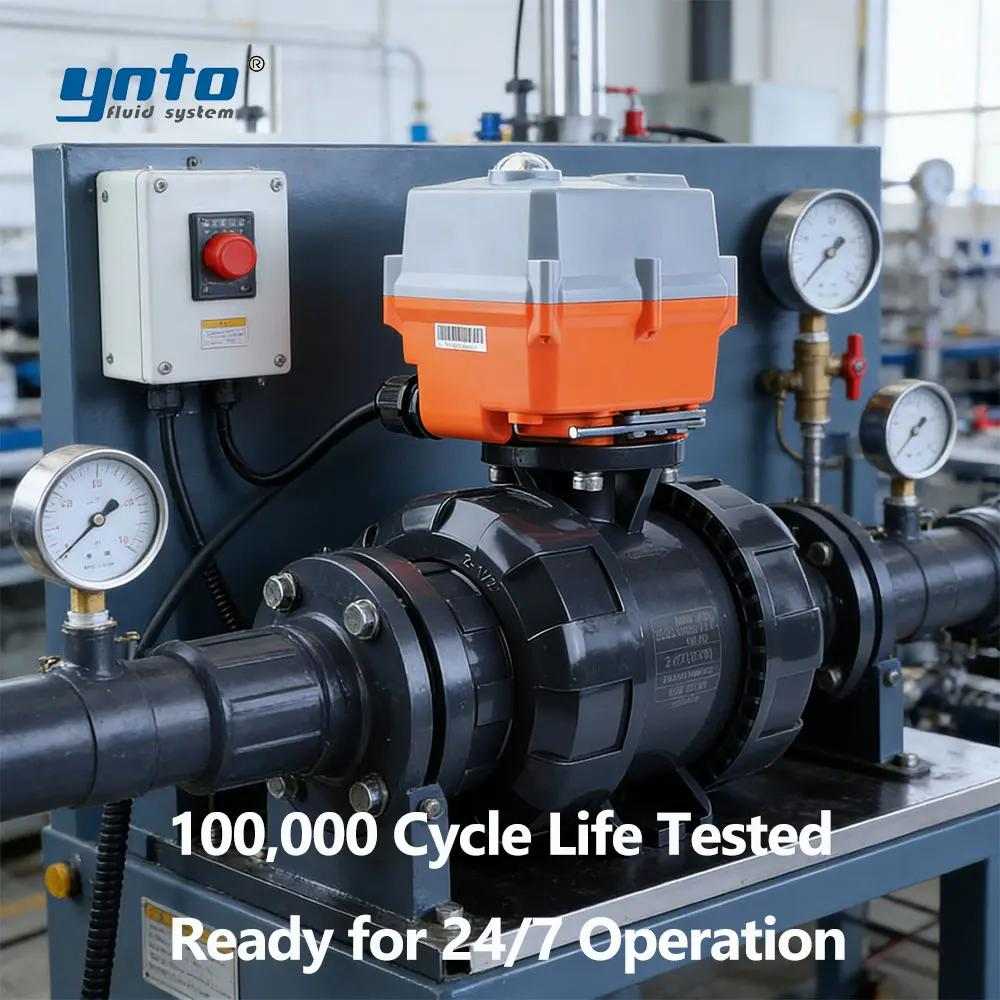
Comprendre les vannes de décharge de boue
Définition et fonctionnalité
Une vanne de rejet de boues est spécifiquement conçue pour contrôler l’écoulement des boues concentrées provenant des réservoirs de sédimentation, des clarificateurs, des digesteurs et des systèmes de déshydratation. Contrairement aux vannes de service d’eau standard, ces vannes doivent gérer des particules abrasives, des matériaux fibreux, des viscosités variables et des conditions d’écoulement intermittent.
Pour les ingénieurs travaillant sur site, une observation courante est que les boues se comportent très différemment de l’eau propre. Les caractéristiques de l’écoulement changent constamment selon la concentration de solides, le dosage chimique et les conditions du procédé. Cela impose des exigences uniques à la conception des soupapes.
De nombreux centres de traitement utilisent des solutions spécialisées telles que les vannes à trappe à couteau et les vannes à bille car elles offrent des conduits d’écoulement plus larges qui réduisent les risques de blocage.
Importance dans la gestion des boues
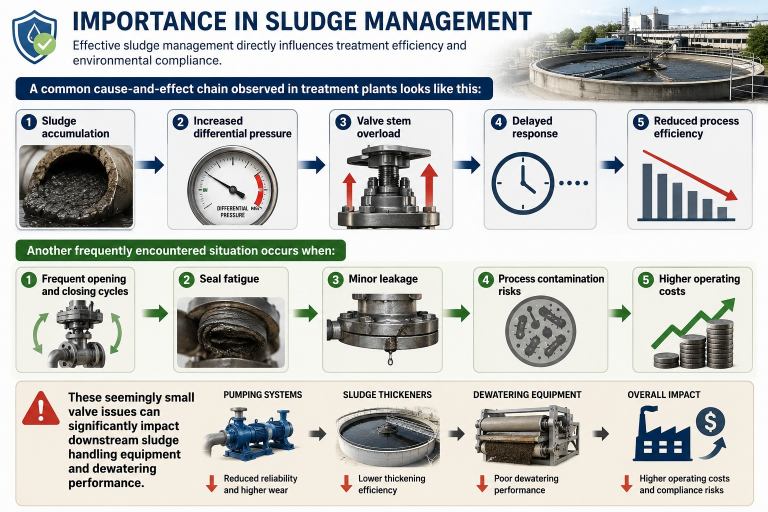
Une gestion efficace des boues influence directement l’efficacité du traitement et la conformité environnementale.
Une chaîne de cause à effet courante observée dans les stations d’épuration ressemble à ceci :
Accumulation de boues → pression différentielle accrue → Surcharge de la tige de soupape → Réponse retardée → Réduction de l’efficacité du procédé
Une autre situation fréquemment rencontrée se produit lorsque :
Cycles fréquents d’ouverture et de fermeture → fatigue du joint → fuites mineures → risques de contamination du procédé → coûts d’exploitation plus élevés
Ces problèmes apparemment mineurs de vannes peuvent avoir un impact significatif sur les équipements de manipulation des boues en aval et sur la performance de déshydratation.
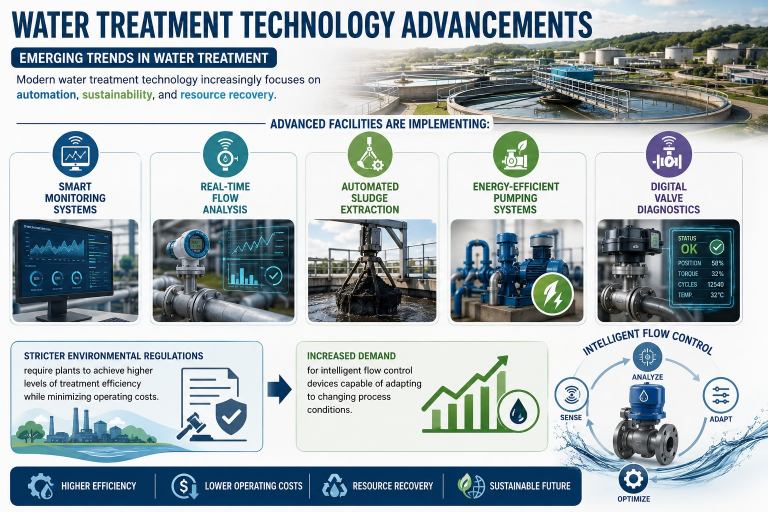
Avancées technologiques dans le traitement de l’eau
Tendances émergentes dans le traitement de l’eau
La technologie moderne de traitement de l’eau se concentre de plus en plus sur l’automatisation, la durabilité et la récupération des ressources.
Des installations avancées mettent en place :
· Systèmes de surveillance intelligents
· Analyse des flux en temps réel
· Extraction automatisée des boues
· Systèmes de pompage économes en énergie
· Diagnostic numérique des vannes
Par contre, des réglementations environnementales plus strictes exigent que les centrales atteignent des niveaux d’efficacité de traitement plus élevés tout en minimisant les coûts d’exploitation.
Cela a accru la demande pour des dispositifs intelligents de contrôle de flux capables de s’adapter aux conditions changeantes du procédé.
Intégration des valves avancées
Les vannes de décharge de boue actuelles ne sont plus de simples dispositifs d’isolation.
De nombreuses installations modernes intègrent :
· Systèmes de rétroaction de position
· Actionneurs intelligents
· Surveillance à distance
· Plateformes de maintenance prédictive
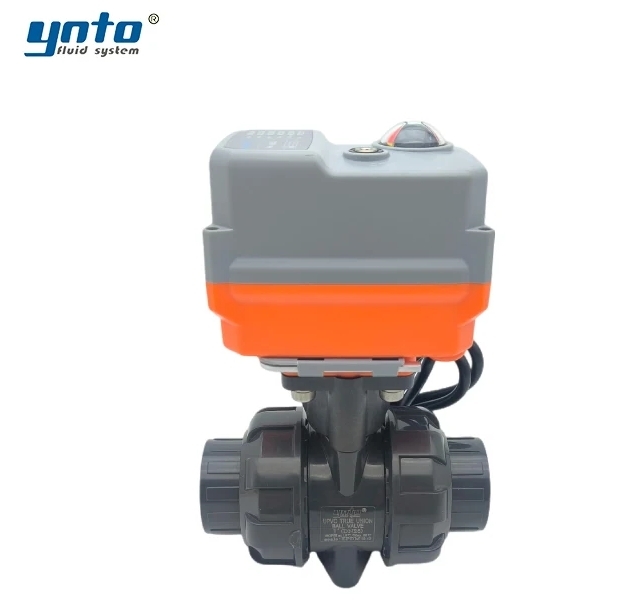
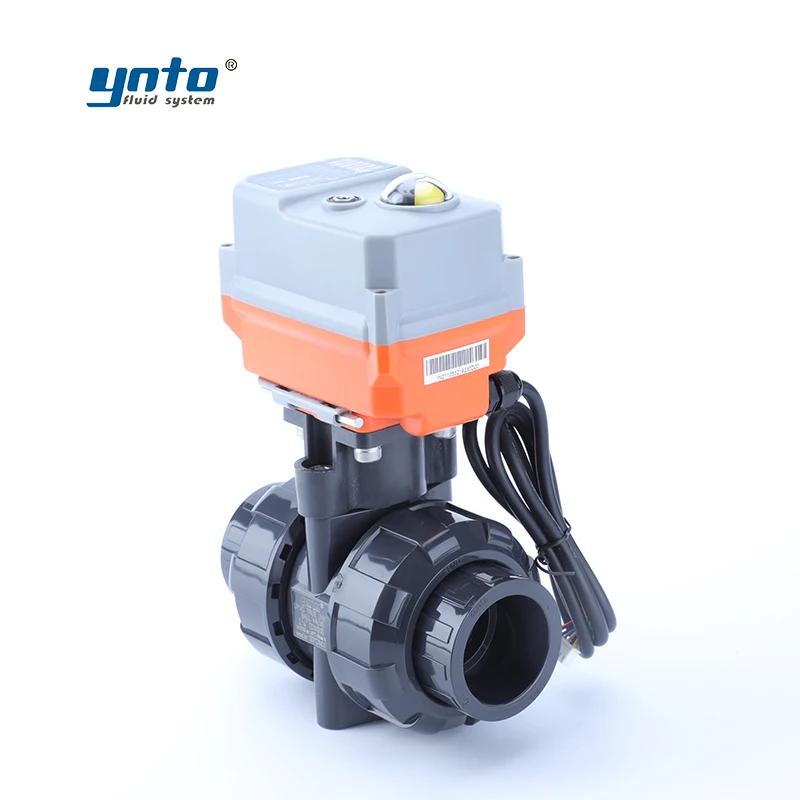
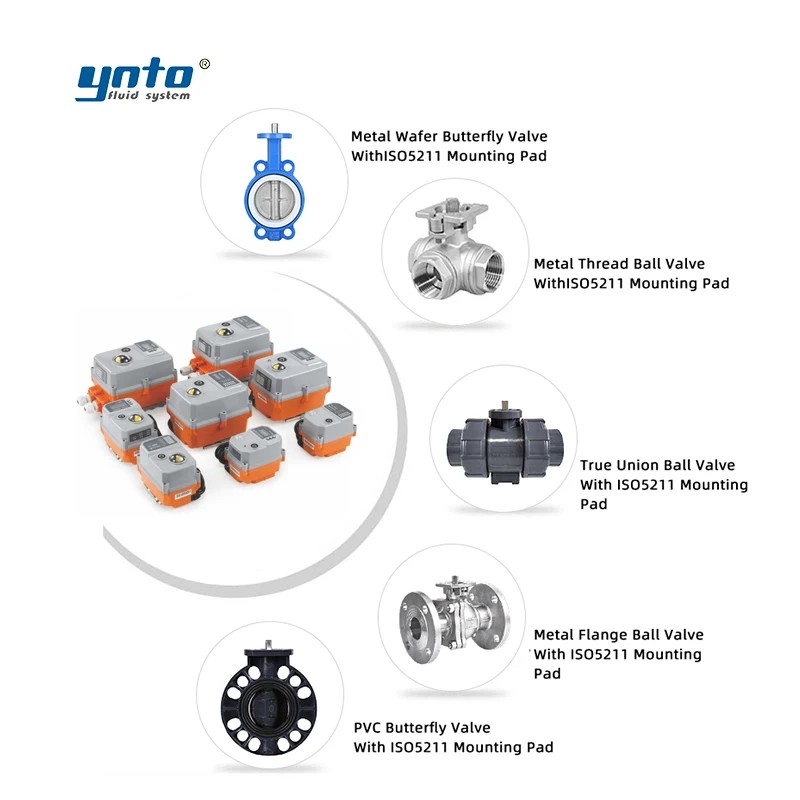
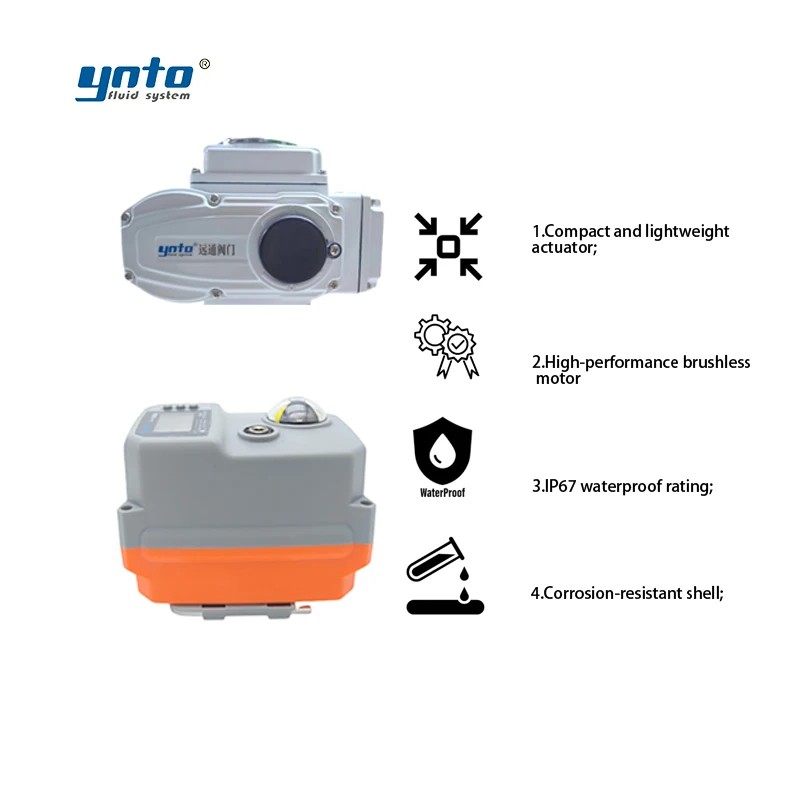
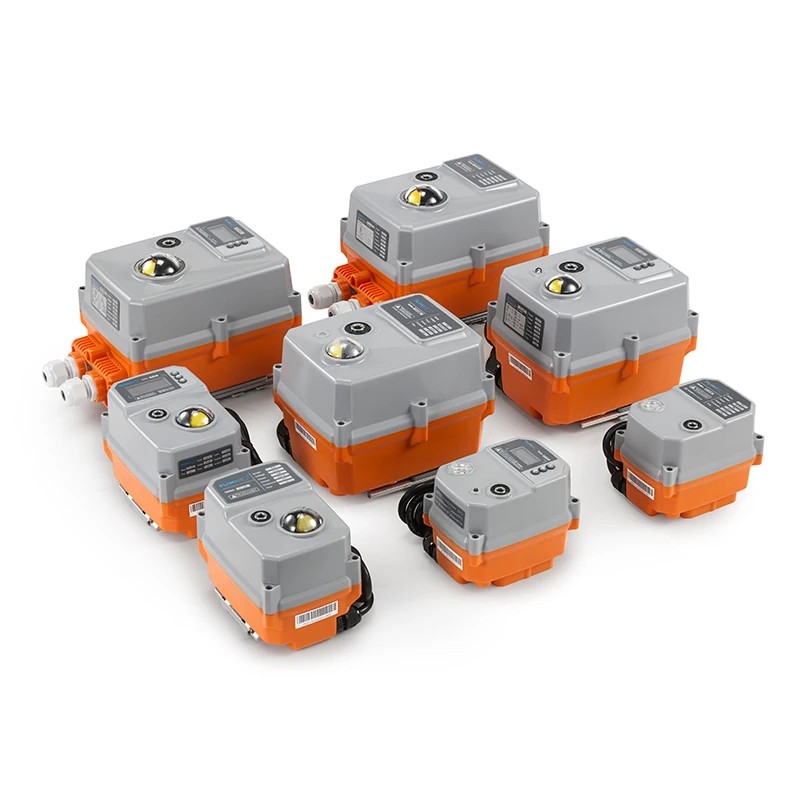
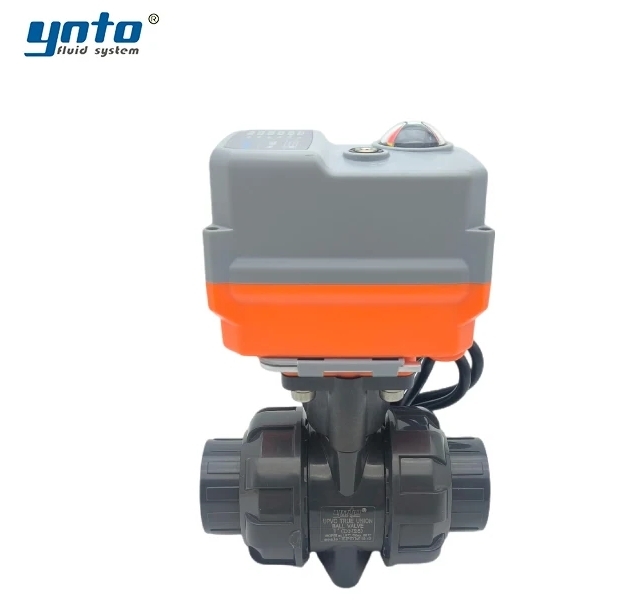
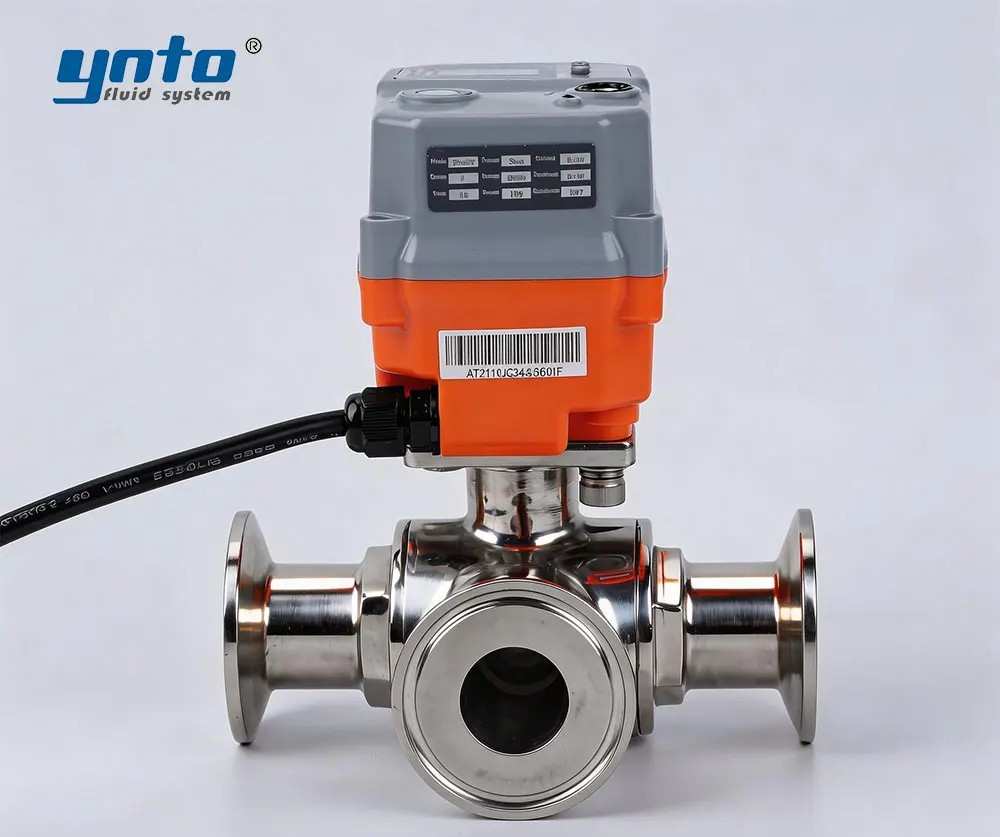
Par exemple, l’intégration d’un actionneur électrique à une vanne de décharge de boue permet aux opérateurs d’ajuster à distance les débits tout en surveillant l’état de la vanne via les systèmes SCADA.
Dans les grands projets municipaux, ce niveau d’automatisation peut réduire considérablement les coûts de main-d’œuvre tout en améliorant la stabilité des procédés.
Aperçu des équipements de manipulation des boues
Aperçu des équipements pour gestionnaires deboues t
Les équipements modernes de manipulation des boues comprennent généralement :
· Clarifiateurs
· Épaississants de gravité
· Digesteurs de boues
· Presses filtrantes à bande
· Centrifugeuses
· Systèmes de séchage
· Pompes de transfert
La vanne de décharge de boue sert d’interface critique entre ces systèmes.
Les ingénieurs notent fréquemment que la performance des équipements dépend souvent du maintien de caractéristiques de flux de boue cohérents. Lorsque le fonctionnement de la vanne devient instable, l’ensemble du train de procédé peut en pâtir.
Choisir des solutions adaptées à la gestion des boues
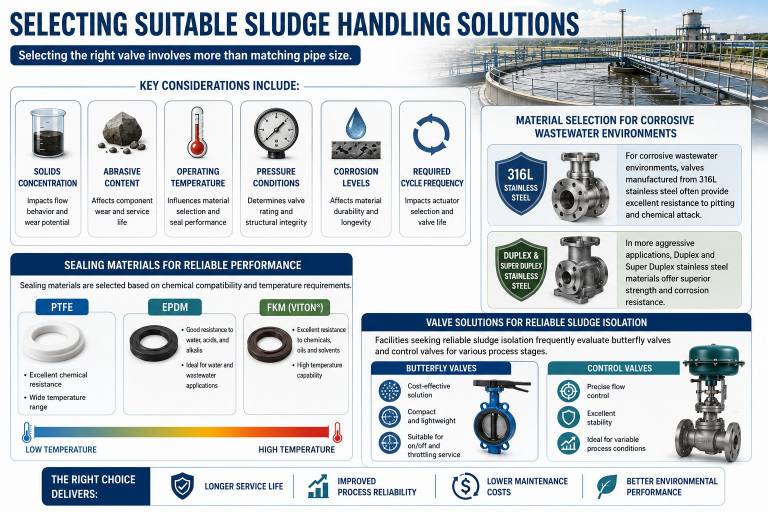
Choisir la bonne vanne implique plus que d’ajuster la taille du tuyau.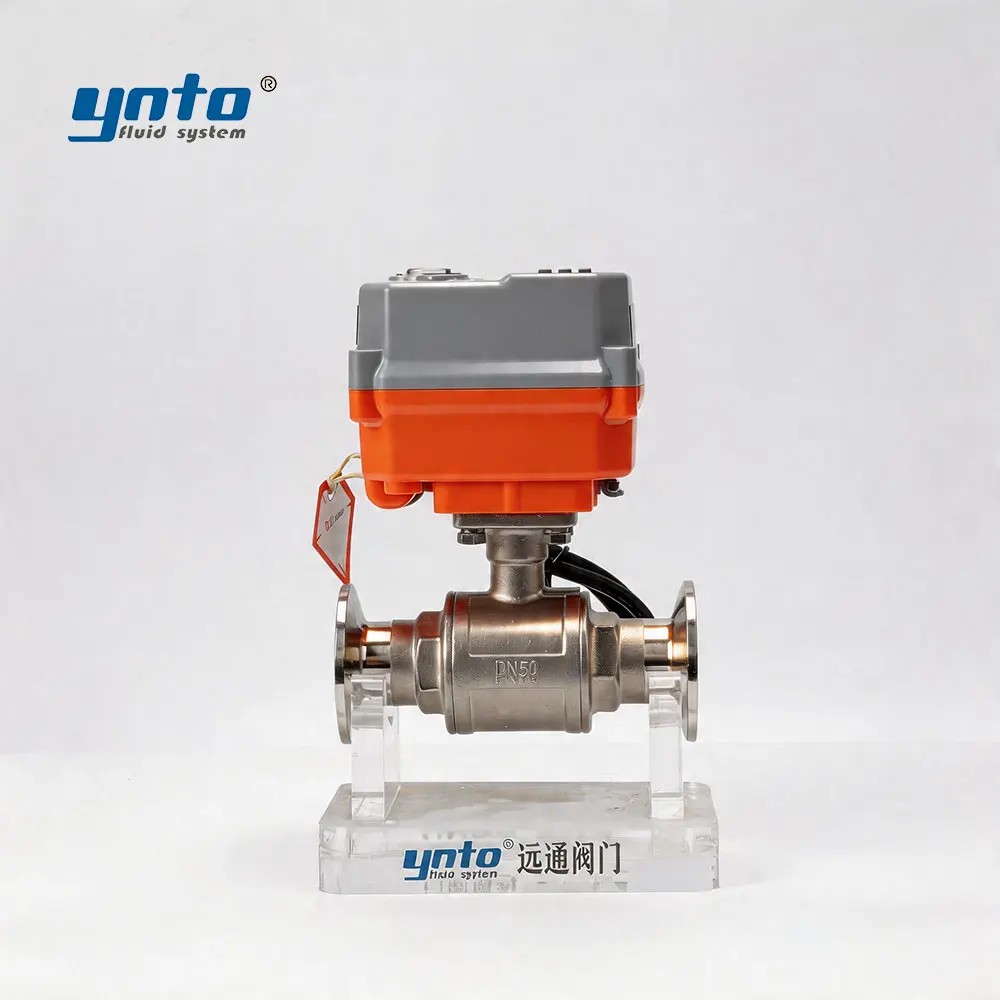
Les points clés à considérer incluent :
· Concentration en solides
· Teneur en abrasif
· Température de fonctionnement
· Conditions de pression
· Niveaux de corrosion
· Fréquence de cycle requise
Pour les environnements d’eaux usées corrosifs, les vannes fabriquées en acier inoxydable 316L offrent souvent une excellente résistance aux piqûres et aux attaques chimiques.
Dans les applications plus agressives, les matériaux en acier inoxydable Duplex et Super Duplex offrent une résistance supérieure et une résistance à la corrosion.
Par contre, des matériaux d’étanchéité tels que le PTFE, l’EPDM et le FKM sont sélectionnés en fonction de la compatibilité chimique et des exigences de température.
Les installations recherchant une isolation fiable des boues évaluent fréquemment les vannes papillon et les vannes de contrôle pour différentes étapes du procédé.
La perspective de l’ingénierie
Conception de systèmes d’eau efficaces
L’ingénierie des systèmes d’eau nécessite une attention particulière au comportement hydraulique.
Lors de la mise en service, un signe courant d’une mauvaise conception du système est la fluctuation des taux de retrait des boues malgré des performances stables de la pompe.
Dans de nombreux cas, la cause principale est un mauvais dimensionnement des valvules.
Une vanne surdimensionnée peut créer des conditions instables de faible débit, tandis qu’une vanne sous-dimensionnée génère une perte de pression excessive et une consommation d’énergie excessives.
Les ingénieurs observent souvent que :
Fluctuations de pression → vibrations internes des soupapes → usure progressive de la selle → Réduction des performances d’étanchéité
Cette chaîne peut finalement entraîner des arrêts imprévus et des réparations coûteuses.
Des calculs hydrauliques appropriés restent essentiels pour maximiser l’efficacité du traitement de l’eau.
Importance d’un bon placement des soupapes
Le placement des soupapes est tout aussi important.
Installer une vanne de décharge de boue trop loin de la couche de boue peut créer des zones mortes où les solides s’accumulent.
Par contre, des courbures excessives des tuyaux en amont de la vanne peuvent augmenter la turbulence et le dépôt de sédiments.
Les ingénieurs expérimentés recommandent souvent de positionner des vannes de décharge où un écoulement assisté par gravité peut être maintenu autant que possible.
Un bon placement améliore également l’accessibilité à la maintenance, réduisant les temps d’arrêt du service.
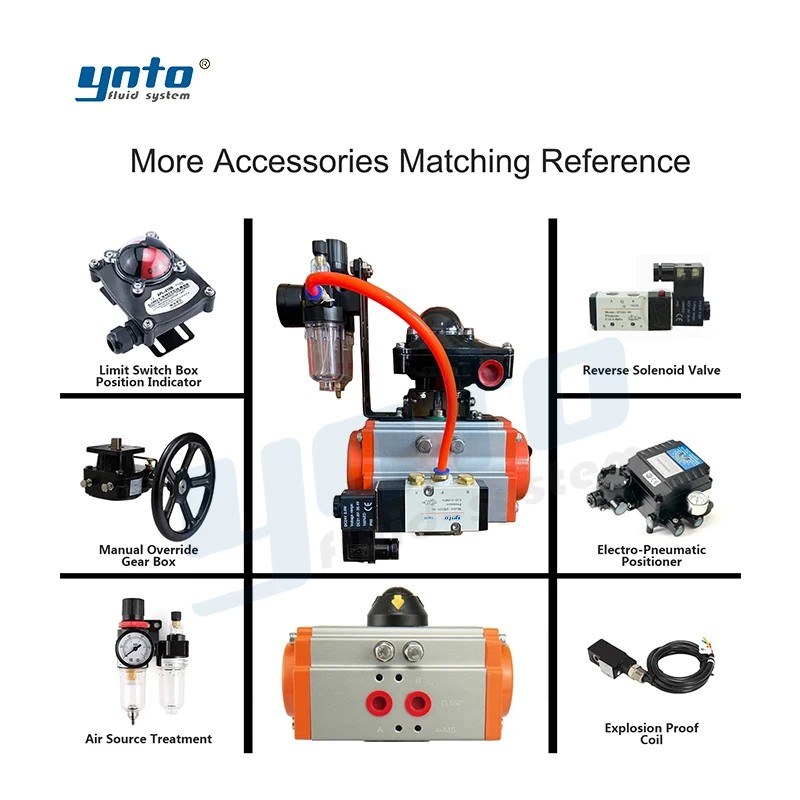
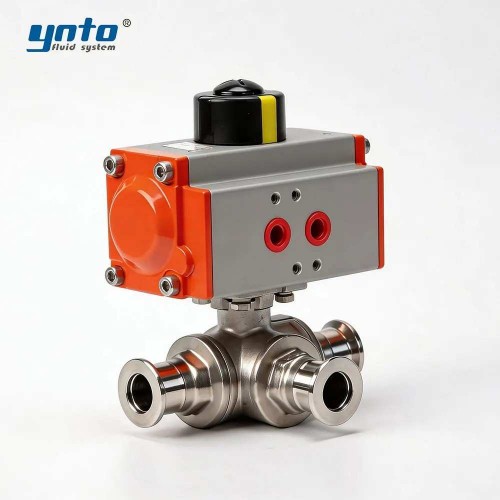
Des produits tels que les actionneurs pneumatiques peuvent encore améliorer la fiabilité de fonctionnement dans des environnements d’installation difficiles.
Techniques de déshydratation par boue
Aperçu des techniques utilisées
Des techniques efficaces de déshydratation des boues sont essentielles pour réduire les coûts d’élimination et améliorer la durabilité.
Les méthodes courantes incluent :
· Pressage à filtre à bande
· Déshydratation centrifuge
· Pressage par vis
· Filtration sur plaques et cadres
· Déshydratation géotextile
Chaque technique dépend de conditions d’alimentation stables des boues.
Même de légères fluctuations dans l’écoulement des boues peuvent réduire considérablement la performance de déshydratation.
Avantages d’un déshydratation efficace
Une amélioration de la déshydratation présente plusieurs avantages :
· Réduction des coûts de transport
· Exigences moindres en décharge
· Amélioration de la récupération des ressources
· Empreinte environnementale réduite
D’un point de vue opérationnel, une performance stable des soupapes contribue directement à des conditions d’alimentation constantes.
Lorsque les vannes de décharge des boues fonctionnent correctement, les opérateurs peuvent maintenir des concentrations prévisibles de solides entrant dans les équipements de déshydratation.
Cela améliore à la fois le débit et l’efficacité énergétique.
Applications industrielles des vannes dans le traitement de l’eau
Applications clés des vannes dans la manipulation des boues
Les applications industrielles de vannes dans les installations de traitement de l’eau vont au-delà des rejets de boues.
Les vannes sont utilisées pour :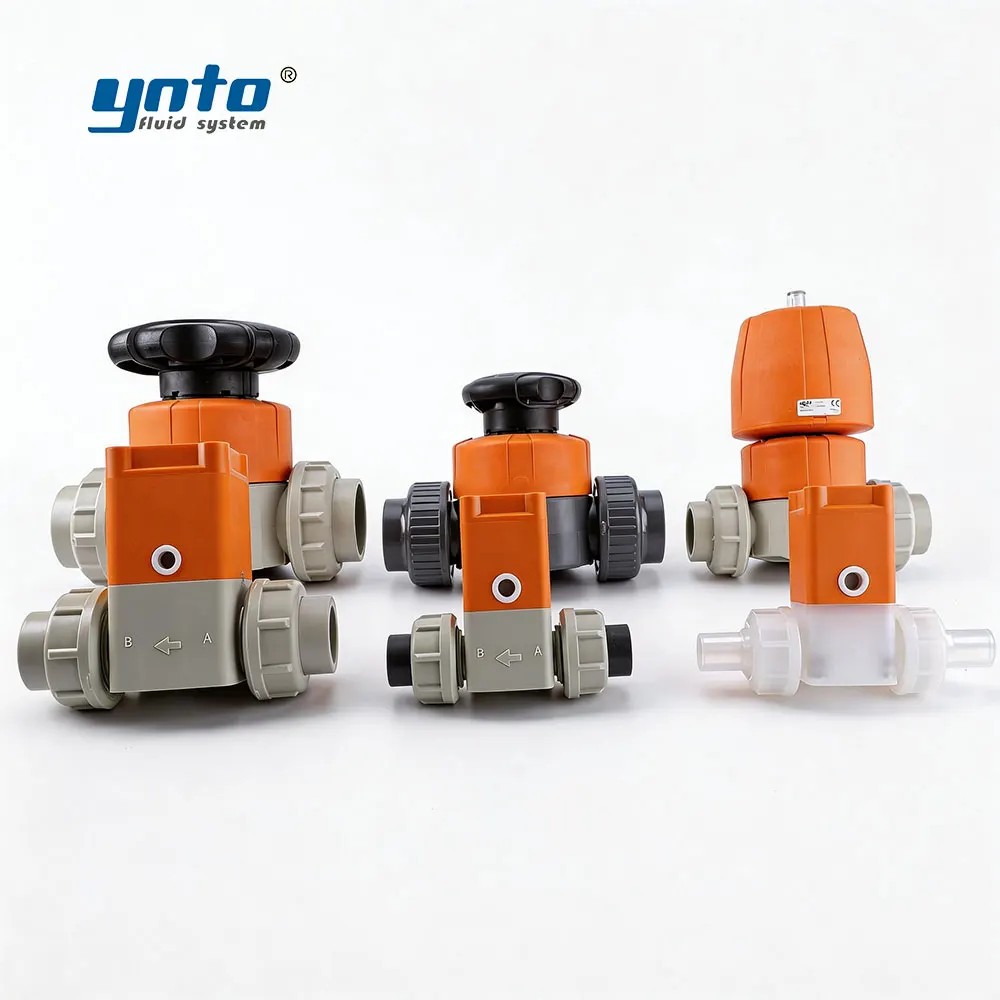
· Isolation de l’écoulement
· Contrôle des procédés
· Régulation de la pression
· Dosage chimique
· Prévention des reflux
· Systèmes d’arrêt d’urgence
Selon les besoins du procédé, les installations peuvent utiliser :
· Vannes à billes
· Vannes à vannes à vannes à couteau
· Vannes papillon
· Vannes à bouchon
· Vannes à membrane
Pour les flux de boues corrosives, les vannes à membrane offrent souvent une excellente résistance chimique et une excellente fiabilité d’étanchéité.
Indicateurs de performance pour les vannes industrielles
La performance des soupapes est généralement évaluée à l’aide de plusieurs indicateurs :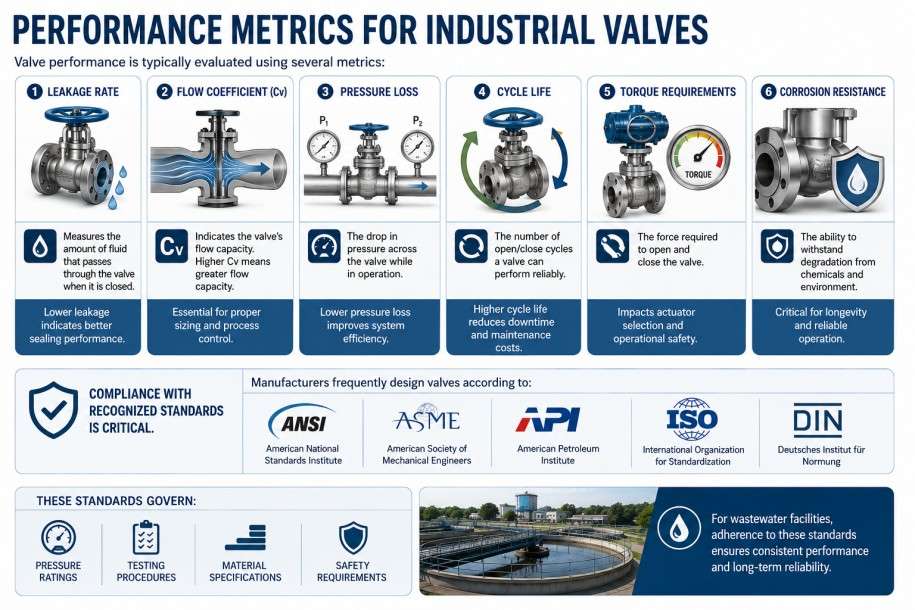
· Taux de fuite
· Coefficient d’écoulement (Cv)
· Perte de pression
· Durée de vie du cycle
· Exigences de couple
· Résistance à la corrosion
Le respect des normes reconnues est essentiel.
Les fabricants conçoivent fréquemment les vannes selon :
· ANSI
· ASME
· API
· ISO
· DIN
Ces normes régissent les indices de pression, les procédures d’essai, les spécifications des matériaux et les exigences de sécurité.
Pour les installations d’eaux usées, le respect de ces normes garantit une performance constante et une fiabilité à long terme.
Améliorer l’efficacité du traitement de l’eau
Techniques pour améliorer les processus de traitement
Les améliorations d’efficacité du traitement de l’eau proviennent souvent de mises à niveau progressives plutôt que de refontes majeures de systèmes.
Les stratégies courantes incluent :
· Contrôle automatisé des flux
· Maintenance prédictive
· Instrumentation intelligente
· Amélioration du choix des soupapes
· Systèmes de pompage économes en énergie
Les ingénieurs effectuant des inspections de routine découvrent souvent que remplacer des vannes obsolètes génère des gains d’efficacité mesurables sans investissement en capital significatif.
Rôle des vannes de décharge dans l’amélioration de l’efficacité
La vanne de décharge joue un rôle central dans le maintien de l’équilibre du procédé.
Lorsque le fonctionnement de la vanne devient irrégulier, les temps de résidence des boues peuvent fluctuer considérablement.
Cela peut entraîner :
· Efficacité de décantation réduite
· Augmentation de la consommation de produits chimiques
· Consommation d’énergie plus élevée
· Mauvaise performance de déshydratation
Les vannes électriques modernes équipées de commandes intelligentes peuvent maintenir des taux précis de retrait des boues même dans des conditions de procédé changeantes.
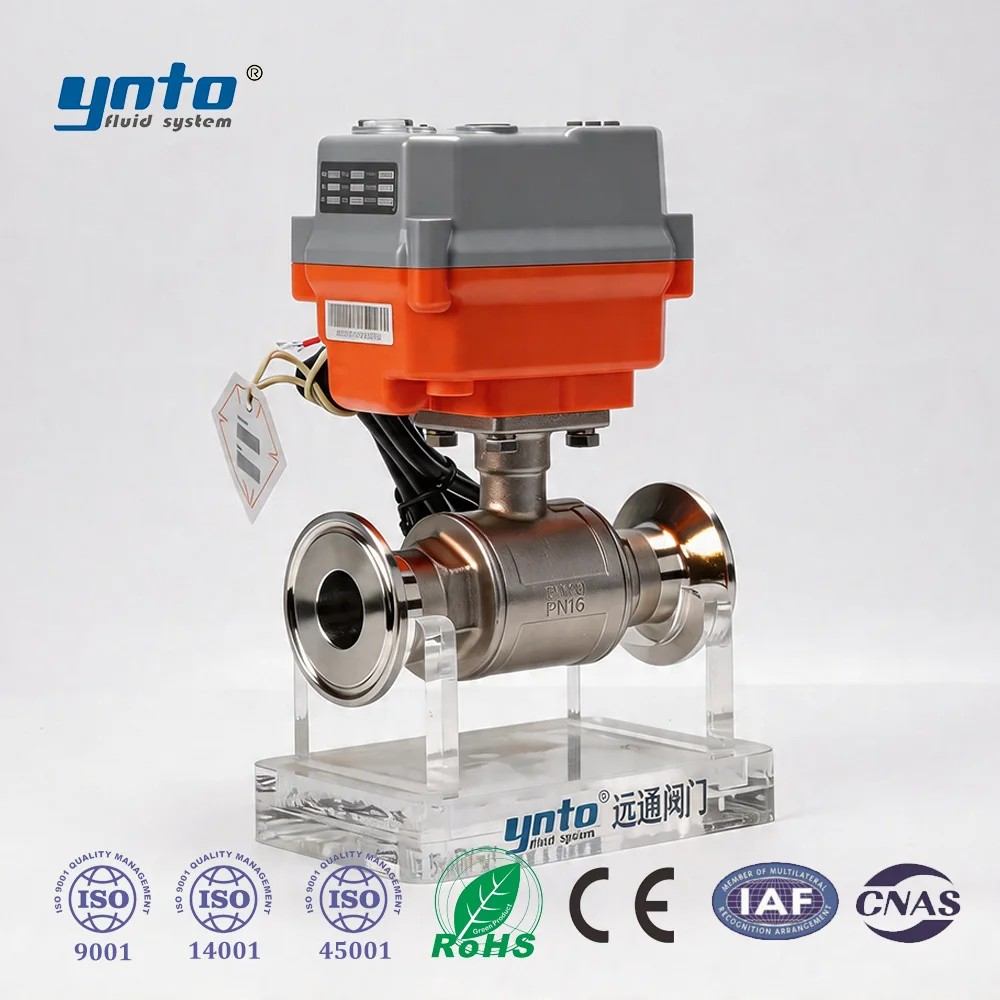
Dans de nombreuses installations, ces améliorations ont amélioré la stabilité des procédés tout en réduisant les coûts de maintenance.
Les considérations de sécurité ne doivent également jamais être négligées.
Une vanne de boue qui fuit peut exposer les opérateurs à des matériaux biologiques dangereux et créer des risques de conformité environnementale. Une technologie de scellement appropriée et un entretien régulier contribuent à minimiser ces dangers.
Une protection supplémentaire peut être obtenue grâce à des revêtements résistants à la corrosion tels que le FBE (Fusion Bonded Epoxy) et le Halar, qui prolongent la durée de vie des vannes dans des environnements d’eaux usées agressives.
Conclusion
L’avenir de la gestion des boues
L’avenir de la gestion des boues sera de plus en plus porté par l’automatisation, la durabilité et la prise de décision basée sur les données.
Les capteurs avancés, les diagnostics assistés par IA et les plateformes de maintenance prédictive continueront d’améliorer la fiabilité du système.
La technologie des vannes évoluera en parallèle de ces tendances, offrant une efficacité accrue, une durée de vie plus longue et une performance environnementale améliorée.
Appel à l’action pour des pratiques durables
Qu’il s’agisse d’exploiter une station municipale de traitement des eaux usées ou une station industrielle, choisir la bonne vanne de rejet des boues est un investissement crucial.
En combinant une conception robuste des valves, un choix approprié des matériaux, des actionneurs intelligents et la conformité aux normes ANSI, ASME, API, ISO et DIN, les installations peuvent améliorer l’efficacité du traitement de l’eau tout en soutenant la durabilité environnementale à long terme.
.png?imageMogr2/format/webp)
- 2026-09-30 08:25:23
- 2026-09-28 10:28:43
- 2026-09-21 15:23:44